






- Stainless steel is non-porous: it does not absorb odours, stains, or flavours from protein powders
- Double-wall vacuum insulation keeps drinks cold for 12 to 24 hours — plastic provides zero insulation
- Food-grade stainless steel does not leach chemicals; some plastics can under heat or acidic conditions
- Stainless steel lasts several years; quality plastic shakers typically need replacing every 6 to 12 months
- The higher upfront cost of steel is offset by not repeatedly replacing cheaper plastic bottles
- Stainless steel is 100 percent recyclable; plastic shakers contribute to long-term environmental waste
- 1. The Real Problem With Plastic Shakers
- 2. How Stainless Steel Solves Each Problem
- 3. Temperature Control: The Game-Changer for Indian Gym Goers
- 4. Hygiene and Taste Comparison
- 5. Durability and Lifetime Cost
- 6. Health and Safety: What the Research Says
- 7. Full Comparison Table
- 8. When Plastic Still Makes Sense
- 9. What to Look for in a Stainless Steel Shaker
- 10. Who Should Buy Which Type
- 11. Related Reading
- 12. Frequently Asked Questions
Every serious gym-goer reaches the same point eventually: opening a plastic shaker bottle that has been sitting in the bag since yesterday's session and being hit by a smell that no amount of washing seems to fully remove. If you have been through this enough times to wonder whether there is a better option, the answer is yes, and it is not complicated. The debate between stainless steel and plastic shaker bottles resolves clearly on almost every dimension that matters for protein shake use: hygiene, taste, temperature, durability, and long-term value. The Hack Athletics Stainless Steel Insulated Shaker Bottles were developed specifically to address the shortcomings that Indian gym-goers experience with standard plastic shakers, particularly given India's climate conditions where temperature control matters significantly more than in cooler environments.
This guide lays out the comparison honestly. There are scenarios where plastic makes practical sense, and those are acknowledged. But for anyone mixing protein shakes daily in a gym bag context, the case for stainless steel is compelling. The team at Hack Athletics uses these bottles every training day.
Last reviewed: April 2026
1. The Real Problem With Plastic Shakers
The problems with plastic shaker bottles are not theoretical. They are experienced by anyone who uses them consistently over months of training.
Odour Absorption
Plastic is microscopically porous. Whey protein, casein, mass gainer, and pre-workout supplements all contain compounds that penetrate the surface of the plastic during contact. Regular washing removes surface residue but does not extract the absorbed compounds from within the material. After several weeks of daily use, a protein smell becomes permanently embedded in the plastic regardless of washing frequency or detergent strength. This is the most universally reported complaint about plastic shaker bottles.
Staining and Clouding
Brightly coloured supplements, especially berry-flavoured proteins, BCAA mixes, and certain pre-workouts, leave permanent stains in plastic that become visible after a few weeks of use. The plastic also gradually clouds and loses its transparency, which makes it look dirty even when clean. Scratches from the wire whisk ball or agitator accelerate both staining and bacterial accumulation in the surface irregularities.
No Temperature Control
Standard plastic shaker bottles have a single wall construction with no insulation. A cold protein shake prepared with chilled water and milk reaches ambient temperature within 30 to 60 minutes. In Indian summers with ambient temperatures above 35 degrees Celsius, this window is even shorter. A warm protein shake is both less palatable and a more hospitable environment for bacterial growth.
Indian climate context: In cities like Mumbai, Delhi, Chennai, and Bangalore during summer months, ambient temperatures regularly reach 35 to 40 degrees Celsius. A plastic shaker with a cold protein shake left in a gym bag after a morning session can reach unsafe bacterial growth temperatures (above 37 degrees) within an hour. Insulated stainless steel eliminates this risk.
2. How Stainless Steel Solves Each Problem
Non-Porous Surface
Food-grade 304 stainless steel (also labelled 18/8 stainless steel) is a completely non-porous material. Nothing penetrates the surface under normal use conditions. A quick rinse with warm water and mild soap after each use is sufficient to remove all residue, and the bottle smells clean the moment the cap is opened for the next shake. After months of daily protein use, a well-maintained stainless steel bottle smells exactly as it did when new.
No Staining or Degradation
Stainless steel does not stain, cloud, or degrade with repeated use. The inner surface remains smooth and uniform throughout the product's lifespan. There are no surface irregularities to harbour bacteria or residue.
The Hack Athletics Stainless Steel Shaker features a removable agitator with a rounded bottom specifically designed to mix cleanly without scratching the interior surface. This preserves both the mixing efficiency and the bottle's hygienic properties over time.
3. Temperature Control: The Game-Changer for Indian Gym Goers
Double-wall vacuum insulation is the technology that separates an insulated stainless steel bottle from any plastic alternative. The two walls of stainless steel are separated by a vacuum, which eliminates the primary mechanism of heat transfer (conduction through a medium). The result is a bottle that maintains the temperature of its contents for many hours regardless of the ambient temperature outside.
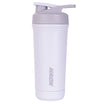
The Hack Athletics 709ml Stainless Steel Shaker Bottle maintains cold drinks for over 24 hours and does not produce condensation on the outer surface, which means no wet gym bag lining and no slippery bottle during lifting sessions. The same bottle maintains hot drinks for several hours, making it useful for post-morning-session warm beverages during winter training.
Practical difference: A protein shake prepared at 5 degrees Celsius in a stainless steel bottle at 6:00 AM will still be cold when consumed at 7:30 AM after a training session. In a plastic bottle, the same shake reaches ambient temperature by 6:45 AM. In Indian summer conditions, this gap is the difference between a refreshing post-workout shake and a warm, unpleasant one.
4. Hygiene and Taste Comparison
The non-porous surface of stainless steel translates directly to better hygiene. Research from the US Food and Drug Administration on food contact materials confirms that stainless steel is among the safest materials for food and beverage contact, rated for indefinite use without degradation or chemical migration.
For taste, stainless steel is completely neutral. It imparts no flavour or odour to the beverage inside. Plastic, particularly when new, can impart a subtle plastic taste, and after months of use, the absorbed odours from previous mixes can affect the taste of fresh shakes prepared in the same bottle.
No More Protein Smell. No More Warm Shakes. No More Replacing Bottles.
The Hack Athletics 709ml Stainless Steel Insulated Shaker Bottle. Cold for 24+ hours, odour-free, and built to last years of daily use.
Shop Shaker Bottles5. Durability and Lifetime Cost
Plastic shakers crack, warp, and develop surface damage under the conditions of daily gym use. The most common failure modes are lid seal degradation (causing leaks), cracking at the base from drops, and surface scratching from agitator contact. A quality plastic shaker used daily typically needs replacement every 6 to 12 months.
A quality stainless steel shaker, maintained correctly, lasts several years without performance degradation. The outer coating may show minor cosmetic wear from drops, but the functional properties (seal, insulation, non-porous surface) are maintained. Over a two-year period, the cost per use calculation typically favours stainless steel even at a significantly higher upfront price.
Stainless steel is also significantly better environmentally. Food-grade stainless steel is 100 percent recyclable and can be remelted indefinitely without quality loss. Plastic, even when labelled recyclable, faces practical recycling limitations and contributes to microplastic pollution when it degrades. Research cited by the United Nations Environment Programme estimates that plastic takes hundreds of years to break down in landfill, and the microplastic fragments generated during degradation enter water systems and food chains.
6. Health and Safety: What the Research Says
The BPA (bisphenol A) concern with plastic has driven a shift toward BPA-free materials like Tritan plastic, which is the standard in quality shaker bottles today. Tritan is considered safe under normal use conditions, but the research picture on plastics more broadly is nuanced. A systematic review of food contact plastics published through NCBI on chemical migration from plastic food containers notes that even BPA-free plastics can release other chemical migrants (including BPS and various phthalates) when exposed to heat, UV radiation, or acidic contents.
Protein supplements frequently contain acidic components (citric acid in flavouring, acidic amino acids), and in Indian conditions, plastic shakers are routinely exposed to heat in gym bags and vehicles. This combination represents the conditions under which plastic migration is most likely. Food-grade stainless steel has no equivalent concern: it is chemically inert and does not interact with its contents under any normal use conditions.
Never leave any protein shake (in any bottle type) at warm temperatures for more than two hours. Dairy-based shakes prepared with milk can develop bacterial growth rapidly above 25 degrees Celsius. Temperature control from an insulated bottle manages this risk; the bottle does not eliminate the need to consume prepared shakes promptly.
7. Full Comparison Table
| Variable | Stainless Steel (Insulated) | Plastic (BPA-Free) |
|---|---|---|
| Odour absorption | None (non-porous surface) | High (absorbs protein smell over weeks) |
| Temperature retention (cold) | 12 to 24 hours | 30 to 60 minutes |
| Temperature retention (hot) | Several hours | None |
| Chemical leaching risk | None (inert metal) | Low but possible under heat/acid conditions |
| Staining | None | Moderate to high over months of use |
| Taste neutrality | Completely neutral | Slight plastic taste when new; absorbed flavours over time |
| Lifespan | Several years | 6 to 12 months before replacement needed |
| Weight | Heavier (300-400g empty) | Lighter (100-150g empty) |
| Visibility of contents | None (opaque) | Transparent or semi-transparent |
| Environmental impact | Low (100% recyclable, long lifespan) | High (frequent replacement, difficult to recycle) |
| Upfront cost | Higher | Lower |
| 2-year total cost | Lower (one purchase) | Higher (2-4 replacements needed) |
8. When Plastic Still Makes Sense
Despite the clear advantages of stainless steel for daily protein shake use, there are specific scenarios where plastic remains the practical choice.
If you are someone who mixes your shake at the gym and consumes it immediately on the spot, temperature retention is irrelevant and the cost advantage of plastic becomes more significant. Travel situations where a bottle might be lost or confiscated at security checkpoints are another case where an inexpensive plastic shaker is the logical choice. For lifters who track their liquid volume carefully and prefer the visual transparency of a clear bottle to confirm fill level, clear plastic provides this capability that stainless steel does not.
Children and teenagers who are still growing and whose supplement needs are simpler may also find a basic BPA-free plastic shaker perfectly adequate for their use frequency, particularly if hygiene and temperature control are managed carefully.
9. What to Look for in a Stainless Steel Shaker
Not all stainless steel shakers are equal. The variables that determine whether a steel shaker performs as described in this guide are the following.
Steel grade matters. Look for 304 (18/8) or 316 food-grade stainless steel. These grades are corrosion-resistant, non-reactive, and approved for food contact globally. Lower-grade steel can develop surface oxidation that affects hygiene and taste.
Double-wall vacuum insulation is the feature that delivers temperature retention. Single-wall stainless steel bottles maintain temperature for only slightly longer than plastic and do not prevent condensation. The Hack Athletics bottle uses double-wall vacuum insulation confirmed by its condensation-free outer surface in testing.
The agitator design determines mixing quality. A fixed ball agitator can scratch the interior of cheaper steel bottles. The rounded-bottom removable agitator in the Hack Athletics bottle mixes cleanly without surface contact that could compromise the finish.
Lid seal quality is the most common failure point in both steel and plastic shakers. A leak-proof pop-top lid with an ergonomic handle, as used in the Hack Athletics design, maintains its seal through the vigorous shaking that protein powder mixing requires.
10. Who Should Buy Which Type
- Mix protein shakes and carry them in a gym bag for later consumption
- Train in summer conditions where ambient temperature is above 30 degrees Celsius
- Have experienced persistent odour problems with previous plastic shakers
- Want to reduce plastic waste and make a longer-term purchase
- Prefer the taste of an odour-free, neutral-surface shake experience
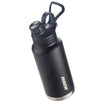
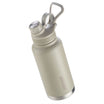
- Product: Hack Athletics 709ml Steel Shaker (Black), White, Blue, or Green
- Mix and consume your shake immediately at the gym without carrying it
- Need a disposable or low-stakes travel option
- Prefer visual level checking through a transparent bottle
- Are on a very tight budget and consume shakes promptly
- Weightlifting belts for your strength training sessions
- Knee sleeves for leg day support
- Wrist wraps for pressing movements
- Stainless steel wins on odour, hygiene, temperature control, durability, and long-term value
- Double-wall vacuum insulation keeps shakes cold for 12 to 24 hours regardless of ambient temperature
- Non-porous stainless steel rinses clean with no lingering protein smell after washing
- Food-grade steel is chemically inert; some plastics can release chemicals under heat or acid exposure
- The higher upfront cost of steel is offset by not replacing plastic bottles every 6 to 12 months
- Plastic is the better choice only for immediate consumption on-site or as a travel bottle
11. Related Reading
12. Frequently Asked Questions
Is stainless steel safer than plastic for protein shakes?
Yes. Food-grade stainless steel (304 or 316 grade) is inert and does not leach chemicals into beverages regardless of temperature, time, or liquid acidity. High-quality BPA-free plastics like Tritan are considered safe under normal use conditions, but studies have shown that certain chemicals can still migrate from some plastics when exposed to heat, UV light, or acidic supplements. For maximum peace of mind, stainless steel eliminates this variable entirely.
Do stainless steel shaker bottles keep protein shakes cold?
Yes. Double-wall vacuum-insulated stainless steel shaker bottles keep drinks cold for 12 to 24 hours depending on the design and ambient temperature. The Hack Athletics 709ml Stainless Steel Shaker Bottle uses double-wall vacuum insulation that keeps drinks cold for over 24 hours without condensation forming on the outside. Plastic shakers have no insulation and reach ambient temperature within 30 to 60 minutes.
Why do plastic shaker bottles smell even after washing?
Plastic is a porous material at the microscopic level. Protein powders, pre-workout supplements, and other supplements contain compounds that penetrate the surface of the plastic over time and become embedded in the material. These compounds are not fully removed by regular washing and continue to off-gas as smell. Stainless steel is non-porous and does not absorb odours, which is why a steel shaker rinses clean without lingering smell.
Can I put hot drinks in a stainless steel shaker bottle?
Most insulated stainless steel shaker bottles can hold warm or hot beverages. However, you should never seal a shaker bottle with hot liquid and shake it vigorously, as pressure buildup can force the lid open unexpectedly. For hot drinks, fill the bottle and drink directly without shaking. Do not use the agitator mechanism with hot liquids. Always check the manufacturer's temperature guidelines for your specific bottle.
Are stainless steel shaker bottles dishwasher safe?
Most stainless steel shaker bottles are not recommended for dishwasher use because the high heat and harsh detergents can damage the vacuum seal of double-wall insulated bottles, reducing their temperature retention over time. Hand washing with warm water and mild dish soap is the recommended cleaning method. The non-porous surface of stainless steel means it cleans completely with a quick rinse and hand wash.
How long does a stainless steel shaker bottle last compared to plastic?
A good quality stainless steel shaker bottle typically lasts several years of daily use without significant degradation. Plastic shakers typically need replacement every 6 to 12 months due to odour absorption, surface scratching, clouding, and eventual cracking. Over a two-year period, the cost per use of a stainless steel bottle is usually lower than replacing plastic bottles every few months.
What size shaker bottle is best for protein shakes?
The most practical size for a post-workout protein shake is 600 to 750 ml, which comfortably holds one to two scoops of protein powder mixed with 400 to 500 ml of water or milk with room to shake. The Hack Athletics Stainless Steel Shaker Bottle is 709ml, which hits this ideal range: enough volume for a full serving with room for the mixing agitator to move freely without overflow.
Does a stainless steel shaker bottle affect the taste of protein shakes?
No. Food-grade stainless steel is completely tasteless and odour-neutral. It does not impart any metallic taste to beverages. Plastic, by contrast, can impart a subtle plastic taste particularly when new or when exposed to acidic ingredients. After months of use, plastic bottles that have absorbed odours can affect the taste of fresh drinks prepared in them.