

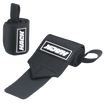





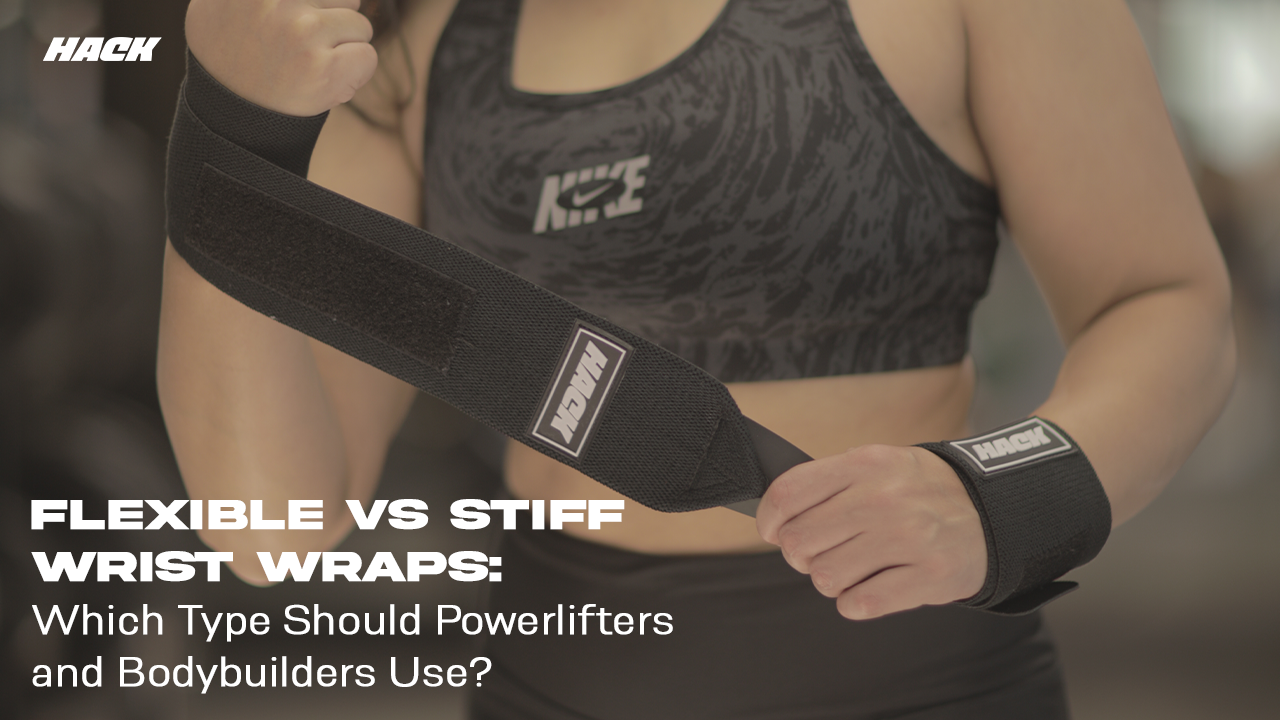
- Flexible wrist wraps support the wrist while allowing natural movement — ideal for most gym lifters and bodybuilders
- Stiff wrist wraps create a cast-like immobilisation that maximises support for competition-level pressing loads
- Most lifters should start with flexible wraps; stiff wraps are a second purchase for advanced powerlifters
- Both types use the same thumb loop application method but differ in how much tension they allow the wrist to move through
- Wraps should cover the wrist joint itself, not the forearm or palm
- Reserve wrist wrap use for heavy sets; train lighter work unassisted to build raw wrist stability
- 1. What Wrist Wraps Actually Do
- 2. Flexible Wrist Wraps: Full Profile
- 3. Stiff Wrist Wraps: Full Profile
- 4. Head-to-Head Comparison Table
- 5. Bench Press: Which Type Wins?
- 6. Overhead Press: Which Type Wins?
- 7. Squats and Other Lifts
- 8. How to Apply Wrist Wraps Correctly
- 9. Expert Guidance on Choosing Your First Pair
- 10. Who Should Choose Which Type
- 11. Related Reading
- 12. Frequently Asked Questions
Wrist wrap stiffness is one of the most practically significant choices in lifting accessories, and yet it is one that most lifters make without fully understanding the difference. Picking up any wrap from a marketplace listing and assuming all wraps work the same way is a mistake that results in either too little support on heavy pressing sets or a cast-like restriction that makes correct technique impossible on dynamic movements. This guide explains exactly what distinguishes a flexible wrist wrap from a stiff one, which exercises suit each type, and how to decide which is right for where you are in your training.
The Hack Athletics wrist wrap range includes both a 24-inch Flexible Wrist Wrap and a 24-inch Stiff Wrist Wrap, both with reinforced thumb loops, because the Hack Athletics team recognises that different training goals genuinely require different wrap constructions. This is not a marketing differentiation. The performance difference between these two products is immediately tangible under load.
Last reviewed: April 2026
1. What Wrist Wraps Actually Do
The wrist joint is a complex structure of eight small carpal bones connected by ligaments, with the radius and ulna of the forearm meeting them at the proximal end. During a heavy bench press or overhead press, the wrist bears significant axial load transmitted from the bar through the hands. If the wrist extends (bends backward) under this load, the moment arm created increases stress on the wrist flexor tendons, the carpal ligaments, and the distal radius. Over time, training repeatedly in excessive wrist extension is a reliable path toward tendinopathy and wrist injury.
A wrist wrap reduces this risk by applying circumferential compression to the wrist joint that limits unwanted extension under load. It also provides proprioceptive feedback that helps the lifter consciously maintain a neutral or slightly flexed wrist position during pressing. Research published through the National Institutes of Health on joint compression and proprioceptive feedback supports the role of compression in improving positional awareness during loaded movement patterns.
Key distinction: Wrist wraps limit unwanted extension under load. They are not the same as lifting straps, which address grip fatigue during pulling movements. The two serve entirely different functions and are used on different exercises.
2. Flexible Wrist Wraps: Full Profile
Construction and Feel
Flexible wrist wraps are constructed primarily from cotton/polyester with a relatively low elastic or rubber content. The Hack Athletics Flexible Wrist Wrap uses a high-quality cotton/polyester blend that wraps smoothly around the wrist, conforms to the joint's contours, and provides compression that can be modulated by the number of times the wrap is looped and how firmly the Velcro is secured. Because the material has natural stretch but not the rigid resistance of a stiff wrap, the wrist can still move through a controlled range during the lift.
Performance Characteristics
In practice, a flexible wrist wrap feels like firm, even support around the wrist: it prevents sloppy backward extension under load but does not interfere with the slight natural wrist movement that occurs during a bench press setup or during the catch phase of a clean. This versatility makes flexible wraps appropriate for a wide range of exercises including bench press, overhead press, front squats (where wrist position is critical), and any pulling exercise where wrist discomfort is a limiting factor.
Who This Type Suits
Flexible wraps are the recommendation for the majority of gym lifters, from beginners through to intermediate and advanced athletes. They are the first wrap most serious lifters should own and, for many bodybuilders and general strength athletes, the only wrap they will ever need. The ability to dial tightness through wrapping technique means a single pair of flexible wraps can serve from moderate-load hypertrophy work through to near-maximal pressing sets.
To get more rigidity from a flexible wrist wrap, wrap more tightly and add an extra loop around the joint before securing the Velcro. This allows you to use the same pair of flexible wraps at different stiffness levels for different exercises within the same session.
3. Stiff Wrist Wraps: Full Profile
Construction and Feel
Stiff wrist wraps contain a significantly higher proportion of rubber or polyester elastic relative to cotton/polyester. The Hack Athletics Stiff Wrist Wrap is a 3mm thick construction with a polyester and latex blend that provides minimal stretch regardless of how loosely or tightly it is applied. When correctly applied, a stiff wrist wrap creates what coaches and lifters commonly describe as a cast-like effect: the wrist is held firmly in position and resists movement through the full range of load.
Performance Characteristics
Under a maximum bench press attempt, a stiff wrist wrap eliminates wrist extension almost entirely. The bar load is transferred through the wrap material rather than through the wrist's own tissue and ligament structures. This means a lifter can maintain a bar path and grip position that might otherwise be compromised by wrist fatigue or instability at heavy loads. The trade-off is that the stiff material does not conform to the wrist as naturally as flexible materials, and some lifters find it uncomfortable to wear across an entire training session that includes varied exercises.
Who This Type Suits
Stiff wrist wraps are the tool of choice for competitive powerlifters during maximum bench press attempts and meet preparation. Among experienced coaches, including those aligned with the National Strength and Conditioning Association, the consensus is that stiff wraps are most appropriately used as a second pair by athletes who already train comfortably in flexible wraps and are approaching competition-level loads on pressing movements. Starting with stiff wraps before flexible ones is not recommended because the rigid immobilisation can mask wrist positioning errors that accumulate as technique issues over time.
Stiff wrist wraps are more difficult to apply correctly than flexible wraps because the limited stretch means there is less room for positioning error. The thumb loop placement and initial wrap direction are more critical with a stiff wrap. Practice application with light loads before using stiff wraps on maximum attempts.
4. Head-to-Head Comparison Table
| Variable | Flexible Wrist Wrap | Stiff Wrist Wrap |
|---|---|---|
| Primary material | Polyester/Latex Blend or Coton Blend with lower elastic content. | Polyester/Latex Blend or Coton Blend with higher elastic content. |
| Wrist movement allowed | Moderate (natural movement permitted) | Minimal (cast-like immobilisation) |
| Support level | Moderate to high | Maximum |
| Comfort across a full session | High (wears comfortably for extended time) | Moderate (best reserved for working sets) |
| Ease of application | Easier (more forgiving of positioning) | More demanding (placement is more critical) |
| Best pressing exercises | Bench press, OHP, front squat, clean catch | Bench press (maximum loads), competition OHP |
| Suitable for dynamic movements | Yes (snatches, cleans, gymnastics) | No (restricts wrist flexion too aggressively) |
| Who it suits | Beginners, bodybuilders, general lifters, all levels | Advanced powerlifters, competition preparation |
| Hack Athletics product | 24" Flexible Wrist Wrap | 24" Stiff Wrist Wrap |
5. Bench Press: Which Type Wins?
For the bench press, the answer depends on training intensity and competition status. For sets below 80 to 85 percent of one-rep maximum in training, flexible wraps provide sufficient support while allowing the wrist to find its optimal natural angle during the setup. The natural slight forward tilt of the wrist in a correct bench press grip is not restricted by a flexible wrap in the way it can be by a stiff one.
For near-maximum and maximum bench press sets, particularly in powerlifting competition preparation, stiff wraps provide a meaningfully different level of support. At loads where wrist instability would cause the bar to shift during the descent, the cast-like quality of stiff wraps keeps the joint locked in the intended position through the full range of motion. Many competitive powerlifters train the majority of their bench volume in flexible wraps and switch to stiff wraps only for the heaviest 3 to 5 percent of their training loads leading into competition.
Both Types. One Brand. Built for the Gym You Actually Train In.
The Hack Athletics Flexible Wrap for your daily training sessions. The Stiff Wrap for the sets that count. Both with reinforced thumb loops and durable Velcro.
Shop Wrist Wraps6. Overhead Press: Which Type Wins?
The standing overhead press presents a more nuanced picture than the bench press. Correct OHP technique requires the wrist to be stacked directly above the elbow as the bar moves overhead, with minimal backward extension. In this sense, some wrist support is genuinely useful. However, the OHP also requires the wrist to accommodate the slight forward lean of the torso as the bar passes the face, which involves a small but natural range of wrist movement.
For most lifters, a flexible wrap provides the right balance: it limits the excessive backward wrist extension that causes long-term tendon strain while allowing the small amount of adaptive movement the OHP requires. Stiff wraps can feel overly restrictive during overhead pressing because they prevent even the small controlled movements that effective OHP technique involves. This is consistent with guidance from IPF technical rules, which permit wraps in pressing but do not prescribe stiffness, recognising that both types suit different athlete needs and loads.
7. Squats and Other Lifts
Low-Bar Squat
In a low-bar squat, the bar sits across the rear deltoids and the wrists bear a portion of the bar's load through the grip. Lifters with limited shoulder or thoracic mobility often experience wrist pain in the low-bar position because the wrist is forced into extension to accommodate the bar path. Flexible wrist wraps significantly reduce this strain by providing support against extension without limiting the grip adaptation the position requires. Stiff wraps are occasionally used for low-bar squats by lifters with severe wrist mobility limitations, but flexible wraps are more comfortable for the multi-rep sets typical in squat training.
Front Squat and Clean
The front rack position requires substantial wrist flexibility. A stiff wrist wrap that prevents wrist extension will also prevent the wrist flexion needed to establish the correct front rack. For front squats and cleans, either a loosely applied flexible wrap or no wrap at all is the appropriate choice. Using a stiff wrap on these movements is not recommended by any major strength sport coaching body.
Practical rule: If the movement requires the wrist to flex forward (front rack, snatch, clean catch), use a flexible wrap or no wrap. If the movement requires the wrist to stay neutral against backward extension load (bench press, overhead press, low-bar squat), either type works, with stiff providing more support at heavier loads.
8. How to Apply Wrist Wraps Correctly
Correct application is the same starting point for both flexible and stiff wraps. The thumb loop is the anchor point that positions the beginning of the wrap over the correct anatomical location.
Step-by-Step Application
Hold the wrap with the Velcro side facing outward. Place your thumb through the thumb loop so the loop sits at the base of the thumb, on the thumb side of the wrist. The wrap should trail from the loop toward the inside of the wrist. Begin wrapping by pulling the wrap across the back of the wrist and then around the front, maintaining firm tension throughout. Complete two to three full wraps around the wrist joint, finishing with the Velcro end secured firmly on the outside of the wrist. The wrap should sit centred over the wrist joint itself, not on the forearm or across the palm.
After wearing
Remove the thumb from the loop once the wrap is secured. The thumb loop exists only to anchor the starting position of the wrap during application. Lifting with the thumb loop in place restricts thumb mobility and changes the mechanics of the grip. All competitive federations also require the thumb loop to be removed before the lift begins.
Remove wrist wraps between heavy sets rather than leaving them on throughout the session. Continuous compression on the wrist reduces blood flow and can cause numbness in the fingers during rest periods. Reapply fresh before each working set for consistent support.
9. Expert Guidance on Choosing Your First Pair
The consensus among experienced powerlifting coaches, including those writing through the established strength sport coaching community, is clear on this question: most lifters, including serious competitive powerlifters training regularly, spend the majority of their training time in flexible wraps and reserve stiff wraps specifically for their heaviest sets and competition use.
In practice, the recommendation is as follows. If you are buying your first pair of wrist wraps, buy flexible. If you are an experienced powerlifter preparing for competition and your bench press sets exceed 80 to 85 percent of your maximum regularly, adding a stiff pair as a second option is a worthwhile investment. The flexible pair remains the daily driver; the stiff pair becomes the competition tool.
Hack Athletics' 24-inch length is the most practical choice for Indian lifters across wrist sizes. The 24-inch wrap provides enough material for two to three firm wraps around the wrist joint with material remaining to anchor the Velcro securely. Shorter wraps (18 inches or below) can feel insufficient at larger wrist sizes and for lifters who prefer a thicker, more supported application.
From extended use: After extended use across training cycles including bench press and overhead press, the Hack Athletics Flexible Wrap holds its elasticity and Velcro engagement well over multiple months of regular use. The stiff wrap's latex-blend construction maintains its resistance properties through repeated session use without the softening that can occur in cheaper elastic wraps.
10. Who Should Choose Which Type
- Buying your first pair of wrist wraps regardless of training level
- A bodybuilder training across a variety of pressing and pulling movements
- A CrossFit athlete who includes snatches, cleans, or gymnastics movements
- An intermediate powerlifter building toward competition loads
- A lifter experiencing wrist discomfort during bench press or overhead press
- Product: Hack Athletics 24" Flexible Wrist Wrap
- An advanced or competitive powerlifter with an established bench press technique
- Preparing for a competition where you want maximum wrist support on the platform
- Already training comfortably in flexible wraps and looking to upgrade support for maximum sets
- A lifter whose flexible wraps feel insufficient on sets above 85 to 90 percent intensity
- Product: Hack Athletics 24" Stiff Wrist Wrap
- Weightlifting belt for heavy squat and deadlift sessions
- 7mm knee sleeves for leg day compression and joint warmth
- Full Hack Athletics gear range
- Flexible wraps support the wrist while allowing natural movement; stiff wraps create a cast-like immobilisation
- Beginners and most gym lifters should start with flexible wraps and may never need stiff
- Stiff wraps are best reserved for maximum bench press attempts and competition preparation
- Both types use the same thumb-loop-anchored application method
- Remove the thumb loop after application; lifting with it engaged restricts grip mechanics
- Reserve wrap use for sets above 75 to 80 percent intensity; train lighter work unassisted
11. Related Reading
12. Frequently Asked Questions
What is the main difference between flexible and stiff wrist wraps?
The primary difference is how much wrist flexion each type allows under load. Flexible wrist wraps are made with a higher proportion of cotton/polyester and less elastic content, which means they compress the wrist but allow natural wrist movement during the lift. Stiff wrist wraps contain a higher proportion of rubber or nylon elastic, which creates a cast-like effect that actively resists wrist flexion. Stiff wraps immobilise the wrist joint; flexible wraps support it while allowing controlled movement.
Should beginners use flexible or stiff wrist wraps?
Beginners should start with flexible wrist wraps. The flexible type provides meaningful wrist support while allowing the natural wrist movement that correct lifting technique requires. Stiff wraps are best introduced after a lifter has established solid technique on pressing movements and is beginning to approach heavy competition-level loads. Starting with stiff wraps too early can mask poor wrist positioning under the bar and prevent the development of natural wrist stability.
Are wrist wraps allowed in IPF powerlifting competitions?
Yes. IPF rules permit wrist wraps in competition. The wraps must not exceed 1 metre in length and 8 cm in width. Both flexible and stiff wraps are permitted provided they meet these dimensional specifications. The Hack Athletics 24-inch flexible and stiff wrist wraps fall within the standard competitive length range. Always verify your specific federation's equipment list before purchasing wraps specifically for competition use.
Can I use wrist wraps for the deadlift?
Wrist wraps are not typically used for the conventional deadlift because the wrist does not bear axial load during the pull in the same way it does during a bench press or overhead press. Some lifters use wrist wraps during low-bar squats to help maintain a neutral wrist position under the bar, which reduces shoulder and elbow strain. For deadlifts, lifting straps serve a different purpose: they address grip fatigue rather than wrist joint loading.
How tight should wrist wraps be applied?
Wrist wraps should be tight enough to feel firm and supportive but not so tight that they cause numbness or tingling in the fingers. A correctly applied wrist wrap eliminates unwanted wrist extension during pressing but does not restrict blood flow. For flexible wraps, tightness can be dialled in by the number of wraps around the joint. For stiff wraps, the limited stretch means tightness is primarily controlled by wrap tension during application.
Do wrist wraps weaken the wrist over time?
Wrist wraps used appropriately, meaning only for heavy sets above approximately 75 to 80 percent of maximum, do not weaken the wrist. The concern about dependency arises when lifters use wraps for every set including warm-up loads, which prevents the wrist stabilisers from developing under load. Reserving wraps for the sets where wrist failure is a limiting factor, and training unassisted on lighter work, prevents this issue.
Where exactly should the wrist wrap sit on my wrist?
The wrist wrap should be centred directly over the wrist joint itself, not on the forearm or on the palm. The thumb loop anchors the starting position of the wrap: when the wrap begins with the thumb loop in place, the first wraps naturally fall on the correct anatomical location over the wrist joint. The Velcro closure should sit on the top of the wrist or the outer side, not directly over the wrist bones on either side.
How do I care for wrist wraps to make them last longer?
Hand wash wrist wraps in cold water with mild detergent after every few sessions or when they develop odour. Do not machine wash or tumble dry, as heat and mechanical action degrades the elastic content. Roll wraps loosely after washing and allow to air dry completely before storing. Avoid leaving wraps compressed in a closed bag while damp. Velcro quality is the most common failure point: keep Velcro clean of lint and fuzz to maintain its fastening strength.