







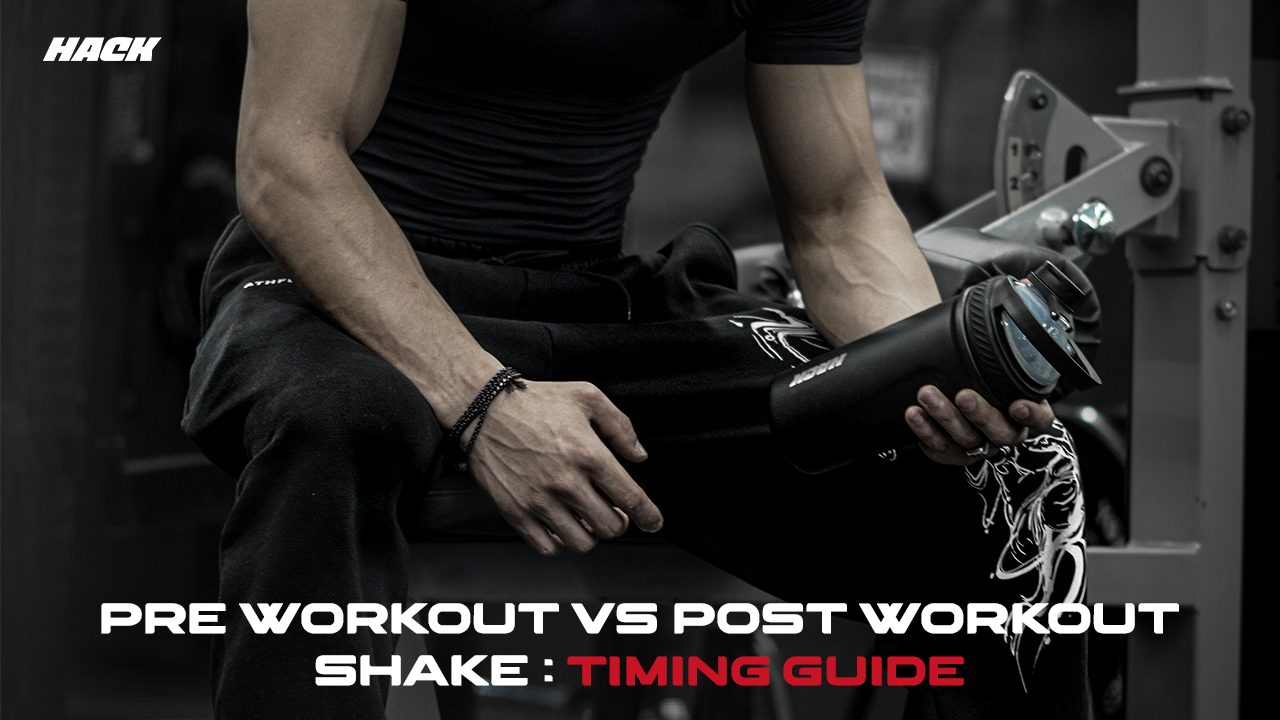
- Pre-workout shakes fuel performance during training. Post-workout shakes support recovery and muscle protein synthesis after.
- The classic 30-minute anabolic window is largely a myth. Current research supports a 2 to 3 hour window for optimal post-workout protein.
- A standard pre-workout shake delivers 20 to 30 grams of protein with 30 to 50 grams of fast-digesting carbohydrates 30 to 60 minutes before training.
- A standard post-workout shake delivers 25 to 40 grams of high-quality protein with optional simple carbohydrates within 2 to 3 hours of finishing.
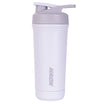
- An insulated stainless steel shaker bottle keeps shakes cold for the full session and never absorbs odours the way plastic does.
- Mixing technique matters: liquid first, powder second, mixing ball or wire whisk, shake horizontally for 15 to 20 seconds.
- What Pre and Post Workout Shakes Actually Do
- How Timing Affects Performance and Recovery
- Pre Workout vs Post Workout Shake Compared
- Who Benefits Most From Each Shake
- Ingredients That Belong in Each Shake
- How to Mix a Smooth, Lump-Free Shake
- Common Mistakes Lifters Make With Shakes
- Choosing the Right Shaker Bottle
- Expert Tips on Hydration, Carbs, and Adjustments
- Who Uses Each Shake Strategy
- Related Reading
- Frequently Asked Questions
Walk into any serious gym in Mumbai, Bengaluru, or Delhi and watch the post-workout queue at the water fountain. Half the lifters are tipping back a protein shake within minutes of racking the last set. The other half are debating whether the shake should have come before training instead. Both habits are based on something real, and both can be done badly. This guide explains exactly what pre-workout and post-workout shakes do, when each one matters most, what to put in them, and how to mix and store them so the gear works as well as the strategy. For the shakers and water bottles tested against the routines in this article, browse the Hack Athletics shaker bottle collection and the insulated water bottle range.
Hack Athletics has been engineering hydration and mixing gear for Indian gym conditions since 2023, with stainless steel construction designed for the country's humidity, heat, and long commutes. The Hack Athletics story details the materials and testing that go into every product in the range.
Last reviewed: May 2026
1. What Pre and Post Workout Shakes Actually Do
A pre-workout shake is a mix of protein, carbohydrates, and sometimes performance ingredients consumed 30 to 60 minutes before training. Its job is to provide fuel for the session, raise blood amino acid levels before training begins, and (if it contains caffeine) sharpen mental focus. A post-workout shake serves a different role: it delivers protein to support muscle protein synthesis and replenishes glycogen stores depleted during training. The two are not interchangeable.
What pre-workout actually achieves
The performance contribution of a pre-workout shake is real but modest. Training fed produces marginally higher work output than training fasted for most lifters, especially on sessions lasting 60 minutes or longer. The bigger benefit is consistency: lifters who reliably eat or drink something 30 to 60 minutes before training rarely have the energy crashes that plague those who skip the meal.
What post-workout actually achieves
The post-workout shake's primary value is convenience: it gets high-quality protein into the body quickly at a time when many lifters do not have access to a full meal. Research compiled by the American College of Sports Medicine consistently shows that total daily protein intake matters more than the exact timing of any single dose, but post-workout protein is a practical way to hit daily targets.
Practical baseline: Active lifters require approximately 1.6 to 2.2 grams of protein per kilogram of body weight per day. A 75 kg lifter needs 120 to 165 grams of protein daily. Shakes are tools to hit this number, not magic timing windows.
2. How Timing Affects Performance and Recovery
Timing of nutrition around training has been studied extensively, and the conclusions have shifted significantly over the past decade. The old advice was rigid and panicked. The current evidence is more relaxed and more practical.
The anabolic window myth
The 30-minute post-workout anabolic window was the dominant idea in supplement marketing for two decades. Current research shows the window is closer to 2 to 3 hours wide, and longer if a substantial meal was eaten in the hours before training. Reviews published by the peer-reviewed sports nutrition literature consistently confirm this. The implication: there is no need to chug a shake in the locker room before catching your breath. Get adequate protein within a few hours and you are fine.
The pre-workout window
A shake consumed 30 to 60 minutes before training peaks in the bloodstream around the start of the session and continues providing amino acids throughout. Liquid carbohydrates digest in roughly 30 to 45 minutes, making this timing efficient for energy delivery. Some lifters extend this to 90 minutes if the shake contains slow-digesting carbohydrates like oats.
What changes for fasted training
Lifters who train fasted (typically before any food on early-morning sessions) benefit more from a quick pre-workout shake than from a post-workout shake. The body has been without food for 8 to 10 hours, and amino acid availability is genuinely low. A small, fast-digesting shake 20 to 30 minutes before fasted training closes this gap without breaking the fast significantly.
If you can only afford one shake per day, put it where it solves the biggest food gap. For most lifters that is post-workout. For early-morning fasted trainers, that is pre-workout.
3. Pre Workout vs Post Workout Shake Compared
The two shake types serve different purposes and contain different ingredients. Comparing them side by side makes the differences clear.
| Specification | Pre-Workout Shake | Post-Workout Shake |
|---|---|---|
| Timing relative to training | 30 to 60 min before | Within 2 to 3 hours after |
| Primary goal | Fuel the session, sharpen focus | Support recovery and protein synthesis |
| Typical protein dose | 20 to 30 g | 25 to 40 g |
| Typical carb dose | 30 to 50 g, fast digesting | 30 to 60 g, mix of fast and slow |
| Common additions | Caffeine, creatine, beta-alanine, citrulline | Creatine, electrolytes, slow carbs |
| Liquid base | Water (lighter, faster digestion) | Water or milk (both fine) |
| Skip risk | Low energy during session | Slower recovery if total daily protein is short |
The overlapping middle
For sessions where you can have only one shake, an "intra-and-post" approach works well. Drink half before training, half right after. This covers fuel and recovery in a single bottle, and is the most common approach used by busy commuter lifters. A 700ml-plus insulated shaker like the 709ml stainless steel insulated shaker easily holds the volume.
4. Who Benefits Most From Each Shake
Not every lifter needs both shakes. Match the shake strategy to your training context, eating habits, and schedule.
Who benefits most from pre-workout shakes
Lifters who train early in the morning and cannot stomach a full meal beforehand benefit most. So do lifters who train after long workdays where the last meal was 4 or more hours earlier. Anyone training fasted who experiences strength drops in the second half of the session should add a pre-workout shake before changing programme variables.
Who benefits most from post-workout shakes
Lifters whose next meal is 2 or more hours after training benefit most. Commuter lifters who train at the end of the workday and face a 60-90 minute commute home before dinner fit this profile clearly. Lifters who struggle to hit daily protein targets from whole food find post-workout shakes the easiest single addition.
Who can probably skip both
Lifters who eat a balanced meal containing 30+ grams of protein within 60 to 90 minutes before training, and another within an hour after, often see no measurable benefit from adding shakes. Total daily protein matters more than timing, and whole food covers both efficiently.
Practical threshold: Research surveyed by sports nutrition academics consistently shows that lifters who consume 3 to 5 protein-containing meals or shakes spread across the day produce better long-term gains than those who eat the same total protein in 1 to 2 large meals. Reviews published by the International Society of Sports Nutrition reinforce this distribution principle for resistance-trained athletes.
5. Ingredients That Belong in Each Shake
Both shake types share some ingredients and differ in others. The choices come down to digestion speed, performance contribution, and personal tolerance.
Protein source
Whey isolate is the gold standard for both pre and post-workout shakes due to fast digestion, complete amino acid profile, and clean mixing. Whey concentrate is a reasonable budget alternative if lactose tolerance is fine. Plant proteins (pea, rice, soy blends) work well for vegetarians and vegans, and have closed the performance gap with whey significantly in recent formulations.
Carbohydrate source
For pre-workout, fast-digesting carbs are ideal: banana, dates, honey, or maltodextrin powder. These reach the bloodstream by the time training begins. For post-workout, a mix of fast and slow carbs works: oats, rice cakes, or fruit. The slower digestion supports a steadier glycogen refill.
Performance additions
Caffeine (150 to 300 mg) is the most reliable pre-workout addition for sessions where mental focus matters. Creatine (3 to 5 g daily) works regardless of timing but is conveniently added to either shake. Beta-alanine (3 to 5 g) and citrulline malate (6 to 8 g) are commonly added pre-workout in commercial pre-workout powders.
Hydration and electrolytes
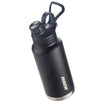
Both shakes need adequate liquid. The National Strength and Conditioning Association recommends 500 to 700 ml of fluid in the 2 hours before training. A separate Hydra 950ml insulated water bottle for plain water keeps you drinking throughout the session without diluting the shake's effects.
Avoid adding fat sources like nut butter or whole milk to pre-workout shakes. Fat slows digestion and can leave the stomach heavy during training. Save fat-containing shakes for post-workout or between meals.
Mix shakes that arrive cold, not curdled
Hack Athletics insulated stainless steel shakers maintain cold temperature for hours, never absorb odours, and last for years. Built for Indian gym conditions.
Shop Shaker Bottles6. How to Mix a Smooth, Lump-Free Shake
The single most common complaint about protein shakes is clumps. The solution is technique, not powder choice. Most clumping problems disappear with the right mixing order and tools.
Step one: liquid first
Add the liquid (water, milk, or plant milk) to the shaker before the powder. This prevents dry powder from compacting at the bottom of the bottle and forming a hard plug that resists mixing.
Step two: use a mixing tool
A wire whisk ball or a plastic mixing grid dramatically reduces clumping by breaking up powder pockets as the liquid sloshes. Insulated stainless steel shakers from the Hack Athletics range include a wire whisk ball that handles even thick powder blends.
Step three: shake horizontally
Hold the shaker horizontal, not vertical, and shake side-to-side for 15 to 20 seconds. Horizontal shaking forces the liquid to flow back and forth across the full length of the bottle, mixing the powder more completely than a vertical up-and-down motion.
Step four: pause and inspect
Open the shaker after the initial shake and look for any remaining dry pockets, especially around the lid threads. Close and shake again for 10 more seconds if needed. This second pass eliminates almost all residual clumping.
Temperature matters
Cold liquid mixes more cleanly than warm. Never use hot water with whey protein, as heat denatures it and creates clumps that no amount of shaking will dissolve. Plant proteins are slightly more heat-tolerant but still mix best cold.
7. Common Mistakes Lifters Make With Shakes
The same handful of mistakes appear across all skill levels of training. Avoiding even one of them produces immediate improvements in both shake quality and session experience.
Treating the shake as a meal replacement
Most shakes contain 20 to 40 grams of protein and minimal fibre, vitamins, or micronutrients. They are supplements to whole-food meals, not replacements. Lifters relying on shakes for two or more daily meals often develop fibre deficiencies and inconsistent energy levels within months.
Using the same bottle for shakes and water
Protein residue clings to the bottle walls and creates odour problems if the same shaker is used for plain water between training days. Use a dedicated insulated water bottle for water and a separate shaker for mixed drinks.
Drinking the shake too cold or too warm
Ice-cold shakes can cause stomach cramping mid-session for some lifters. Warm shakes encourage faster bacterial growth and lose appeal. The ideal serving temperature is around 8 to 12 degrees Celsius, which is what a good insulated shaker maintains naturally.
Storing protein powder near humidity
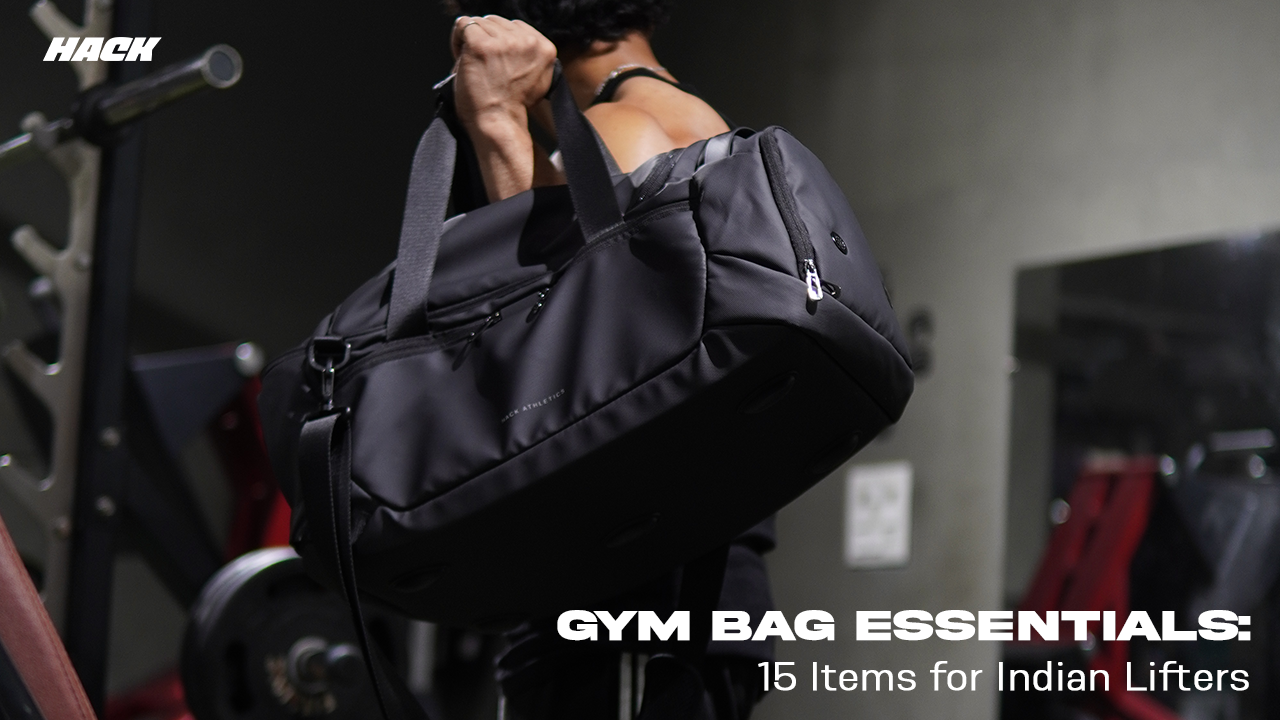
Mumbai monsoon humidity wreaks havoc on protein powder tubs. Once moisture enters, the powder clumps in the container itself and never mixes cleanly again. Keep tubs sealed tight, away from cooking steam, and consider transferring to airtight containers in particularly humid months. When transporting powder to the gym, a sealed scoop container inside the side pocket of a 30L duffle gym bag avoids the worst of in-transit moisture exposure.
Never leave a mixed protein shake in a hot car or unrefrigerated for more than 4 hours. Bacterial growth in milk-based shakes accelerates rapidly above 25 degrees Celsius. When in doubt, dump and remix.
8. Choosing the Right Shaker Bottle
The shaker bottle is the unsung hero of any shake strategy. A poor bottle ruins good powder. A great bottle extends the lifespan of every shake and the season-after-season cost of the whole habit.
Material
Insulated stainless steel is the standard for serious lifters. It maintains temperature, never absorbs odours, and lasts for years. Plastic shakers are cheaper but absorb protein residue into the porous plastic and develop persistent smell within months. BPA-free plastic addresses one health concern but not the odour and durability problem.
Capacity
A 600 to 700 ml shaker handles a standard pre or post-workout serving with room for the mixing ball to move. A 700 to 900 ml shaker accommodates larger shakes or intra-workout doubles. Most lifters find 709 ml is the practical sweet spot.
Lid design
A leak-proof lid is essential for any shaker that travels in a gym bag with other gear. Flip-tops are convenient but more likely to leak under pressure. Screw-on lids are most reliable. Insulated steel shakers with leak-tested gaskets handle gym bag transport without ruining the contents of the rest of the bag.
Colour and finish options
Hack Athletics offers the 709ml insulated shaker in multiple finishes: black, white, green, and blue. The internal construction is identical across all four. Choice is purely aesthetic.
Care and cleaning
Rinse the shaker immediately after use, even if you cannot wash it properly. Dried protein residue is much harder to clean than fresh. Wash with warm soapy water and a long-handled bottle brush at the end of the day. Stainless steel shakers can occasionally be cleaned with diluted vinegar to remove any mineral buildup from hard water.
9. Expert Tips on Hydration, Carbs, and Adjustments
Beyond the basics of pre and post-workout shakes, a few habits separate consistent progress from frustration. These are the small adjustments that compound across months of training.
Hydration first, shake second
Even the best shake cannot compensate for being dehydrated walking into the session. Aim for 500 to 700 ml of plain water in the 2 hours before training, on top of any liquid in the shake itself. Carry water separately rather than relying on the shaker to do both jobs.
Adjust carbs to session demands
Heavy strength sessions (squats, deadlifts, presses) benefit from higher pre-workout carbs (40 to 50 g). Lighter accessory or technique sessions need less (20 to 30 g). High-volume hypertrophy sessions sit in the middle. Tuning carbs by session type rather than using the same recipe daily is a small change that pays off over weeks.
Watch for caffeine tolerance
Lifters who use caffeine pre-workout daily develop tolerance within weeks. Strategies like cycling off caffeine for 4 to 7 days every few months restore sensitivity. Coaching content from USA Powerlifting and other federation publications regularly discusses caffeine cycling for competitive lifters.
The under-eating trap
Many lifters relying heavily on shakes inadvertently under-eat across the day. A 30-gram shake feels substantial but contains roughly 150 calories. Replacing a 700-calorie lunch with a 150-calorie shake creates an energy deficit that no amount of perfect timing fixes. Whole-food meals remain the foundation. Tracking body weight consistently using a reliable BMI body weighing scale at the same time each day is the fastest way to spot when shake reliance is creating an unintended calorie deficit.
Coaching principle: "Supplement, do not substitute." Shakes work when they fill gaps that whole food cannot conveniently fill. They fail when they replace meals that should have been real food.
10. Who Uses Each Shake Strategy
The shake strategy that fits your training depends on your schedule, eating habits, and goals. The categories below describe the most common Indian lifter profiles.
- Trains fasted before breakfast
- Pre-workout shake is the priority
- Light, easily digested ingredients
- Insulated shaker prepped night before
- Trains after work, dinner 60-90 min later
- Post-workout shake bridges to dinner
- Standard 25 to 30 gram protein dose
- Insulated shaker packed in commute bag
- Trains 5 to 6 days per week
- Both pre and post-workout shakes
- Carbs adjusted by session demand
- Two shakers rotated and washed daily
- Trains 2 to 3 times per week
- One shake post-workout most days
- Whole-food meals provide the rest
- Simple powder, simple bottle, simple routine
- Pre-workout shakes fuel the session. Post-workout shakes support recovery. Both serve real but different purposes.
- The 30-minute anabolic window is a myth. Aim for adequate protein within 2 to 3 hours of training, not in a 30-minute scramble.
- Total daily protein matters more than exact timing. Active lifters need 1.6 to 2.2 grams of protein per kilogram of body weight per day.
- An insulated stainless steel shaker outperforms plastic on temperature, odour, and lifespan. It pays for itself within months.
- Mixing technique determines smoothness: liquid first, mixing ball, horizontal shake, never hot water with whey.
- Shakes are supplements, not replacements. Whole-food meals remain the foundation of training nutrition.
11. Related Reading
12. Frequently Asked Questions
Should I drink a shake before or after my workout?
Both serve different purposes. A pre-workout shake provides fuel for the session and pre-loads amino acids in the bloodstream. A post-workout shake supports recovery and muscle protein synthesis. If you can only choose one, the more important shake is the one closer to your only meal of the day. For most Indian lifters who eat real food within an hour of training, post-workout is the higher-priority shake.
How long is the anabolic window after a workout?
The classic 30-minute anabolic window is largely a myth in recent research. Current evidence suggests the post-workout window for optimal protein intake is closer to 2 to 3 hours wide. If you ate a meal 1 to 2 hours before training, the window extends even further. The practical takeaway is to consume 25 to 40 grams of high-quality protein within a few hours of training, not in a panicked 30-minute scramble.
What should I put in my pre-workout shake?
A typical pre-workout shake consists of 20 to 30 grams of whey or plant protein, 30 to 50 grams of fast-digesting carbohydrates such as banana, dates, or maltodextrin, and optionally 3 to 5 grams of creatine. Caffeine, beta-alanine, and citrulline are added in pre-workout powder form by many lifters but are not required for general training. Mix 30 to 60 minutes before the session.
How do I make a smooth, lump-free protein shake?
Add liquid to the shaker first, then add the powder. Use a metal mixing ball or a wire whisk insert. Shake vigorously for 15 to 20 seconds with the bottle horizontal, not vertical. Cold liquid mixes more cleanly than warm. Avoid using boiling or even hot water with whey protein, as heat denatures it and creates clumps that no amount of shaking will dissolve.
Is whey protein better than plant protein for shakes?
Whey protein has a higher biological value, mixes more easily, and digests faster than most plant proteins. Plant proteins like pea, rice, and soy are effective but generally need slightly larger doses to deliver the same effective amount of essential amino acids. Lactose-intolerant lifters or those avoiding dairy should choose plant proteins. Either category produces measurable training results when total daily protein intake is adequate.
How long does protein stay good in a shaker bottle?
A protein shake mixed with water in an insulated stainless steel shaker stays safe to drink for 4 to 6 hours at Indian room temperatures. A shake with milk or dairy alternatives is more perishable and should be consumed within 2 to 3 hours. Insulated shakers extend these times by maintaining a cold temperature throughout the session. Plain plastic shakers warm up quickly and accelerate bacterial growth in the mix.
Why does my plastic shaker smell after a few weeks?
Plastic shakers absorb protein residue, bacteria, and odours into the porous surface of the plastic itself. No amount of washing fully removes this once it sets in. Stainless steel shakers do not absorb residue and remain odour-free for years with basic care. Lifters who experience persistent shaker smell should switch to insulated steel as the long-term solution.
Can I premix my pre-workout shake the night before?
Pre-workout powders containing caffeine, beta-alanine, and creatine can be premixed and refrigerated overnight without losing effectiveness for most ingredients. Whey protein shakes premixed overnight develop a slightly different texture but remain nutritionally intact. The safer approach is to portion dry ingredients into a sealed container the night before and add liquid on the way to the gym.
How many shakes per day is too many?
There is no fixed upper limit, but shakes should supplement whole-food meals rather than replace them. Most lifters benefit from one or two shakes per day. Three or more shakes daily often signals that the training programme is producing protein intake gaps that whole food would close more sustainably. Consult a registered dietitian if total daily protein from shakes exceeds 80 grams.