






- A serious Indian lifter's gym bag has 15 essentials grouped into five categories: support gear, hydration, training accessories, recovery, and personal care.
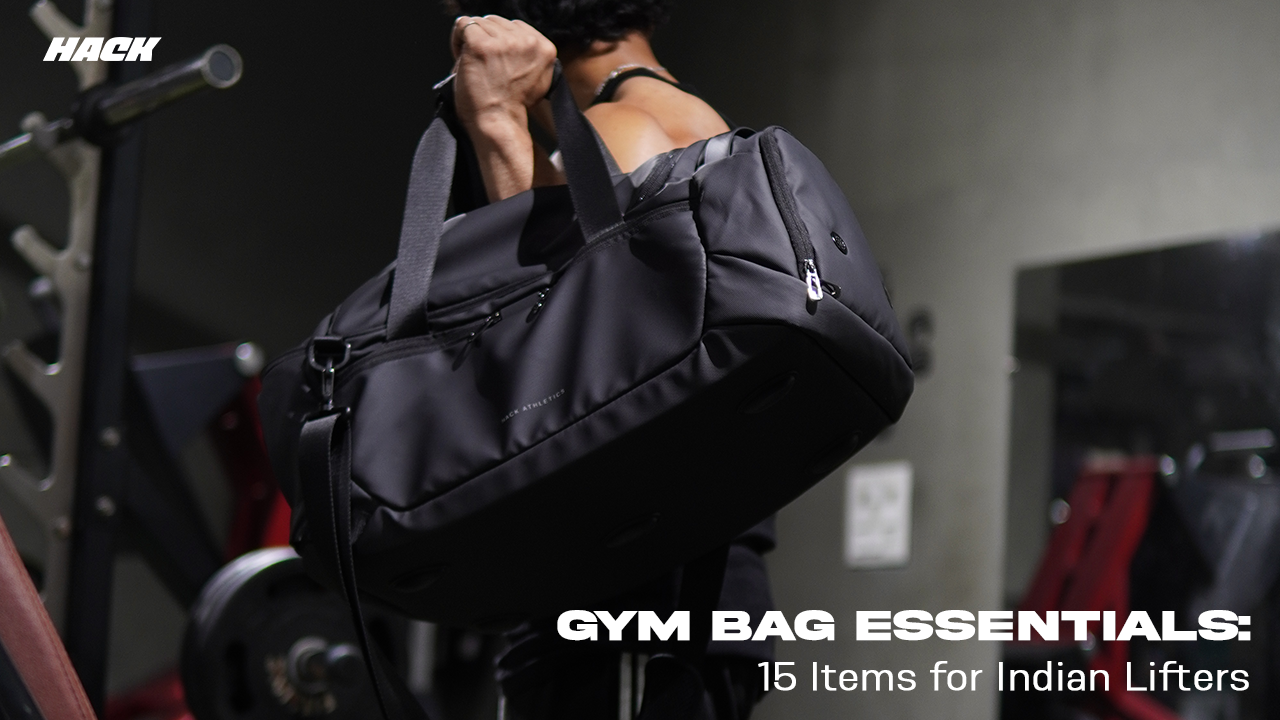
- The bag itself matters. A 25 to 35 litre duffle with a separated wet or shoe compartment is the standard for most lifters.
- Lifting belt, knee sleeves, and wrist support are the three highest-impact support items. They earn their cost within months of regular use.
- Hydration is half the gym bag battle in Indian summers. An insulated stainless steel bottle plus a shaker is the minimum for a serious session.
- Recovery items like a small towel, lacrosse ball, and band kit add little weight but meaningfully reduce post-session soreness.
- The biggest mistakes are packing wet gear loose, forgetting hand chalk or grip, and stuffing fragile items at the bottom under a heavy belt.
- Why Your Gym Bag Setup Affects Your Training
- Choosing the Right Bag Size and Structure
- Essentials 1 to 5: Support Gear
- Essentials 6 to 8: Hydration and Nutrition
- Essentials 9 to 11: Training Accessories
- Essentials 12 to 13: Recovery and Mobility
- Essentials 14 to 15: Personal Care and Convenience
- Packing Order: How to Layer the Bag
- Common Mistakes Lifters Make Packing Their Bag
- Who Uses Each Loadout Style
- Related Reading
- Frequently Asked Questions
Walk past any decent gym in Mumbai, Pune, or Bengaluru at 6 in the morning and you will see two kinds of lifters. The first carries a small drawstring sack with a water bottle and a phone. The second carries a proper duffle, packs methodically, and never has to interrupt a session because they forgot something. The second lifter trains harder, recovers faster, and stays consistent for longer. The bag is not the cause, but it reflects an attitude that produces those outcomes. This guide walks through the 15 essentials that belong in an Indian lifter's gym bag, why each one earns its space, and the packing order that makes the whole system work. For the bag itself and the gear that goes inside, browse the Hack Athletics bag collection and the complete gym equipment range.
Hack Athletics has been designing lifting gear for Indian conditions since 2023, with sizing, materials, and bag layouts tuned by feedback from real raw lifters. The Hack Athletics story explains the design philosophy that runs through every piece of equipment.
Last reviewed: May 2026
1. Why Your Gym Bag Setup Affects Your Training
The bag is the bridge between your training plan and your training reality. Sessions get cut short, intensity drops, and progress stalls when small gear gaps interrupt the work. A belt left at home means the working sets get lighter. A shaker forgotten means the protein window slips. A sweaty pair of sleeves stuffed back into a bag from yesterday is a hygiene problem that becomes a skin problem within weeks.
The systems perspective
Most experienced lifters eventually treat their bag like a kit: predictable contents, predictable locations, replenished after every session. This is the same systems thinking the National Strength and Conditioning Association applies to training programme design. Consistency at the gear level supports consistency at the training level.
The Indian climate factor
Indian gym bags face conditions most international lifting content does not address. Mumbai monsoon humidity, Delhi summer heat, and the cold-room air conditioning that runs in most metro gyms create rapid moisture cycles. Equipment that handles a dry climate fine degrades in a few months without proper care. This is why packing routines matter more in India than in many other markets.
Practical baseline: A typical Indian lifter trains 3 to 5 times a week, with sessions of 60 to 90 minutes. Over a year that is roughly 200 sessions, each one supported or undermined by what is in the bag.
2. Choosing the Right Bag Size and Structure
The bag itself is essential zero. Get this wrong and every other item in the bag is harder to access or stays at home. Three features matter most: volume, compartment structure, and material quality.
Volume
For a lifter who packs full support gear, training clothes, and hydration, a 25 to 35 litre bag is correct. Anything smaller forces compromises. Anything larger encourages over-packing and becomes awkward in changing rooms. A 30 litre bag like the Hack Athletics 30L duffle gym bag sits in the sweet spot for most loadouts.
Compartment structure
The single most useful feature on a serious gym bag is a separated wet or shoe compartment. This isolates sweat-soaked clothes, damp sleeves, or worn shoes from your clean gear. Without it, every wash cycle has to include the entire bag's contents. With it, the bag stays usable for two to three years without odour buildup.
Material quality
Heavy-denier polyester or canvas exterior with reinforced zippers handles the abuse of being dropped, dragged, and stuffed into car boots. Cheap nylon bags develop seam failure within months when loaded with a 4 kg lever belt and a litre of water.
Backpack vs duffle
Public transport commuters and cyclists usually favour backpacks. Drivers and ride-share users favour duffles. Both work for lifting, but the Mono 30L laptop and gym backpack is the standard choice for lifters who carry a laptop or go straight to work after training.
| Bag Profile | Volume | Best For | Compartments Needed | Typical Loadout Weight |
|---|---|---|---|---|
| Minimalist duffle | 20 to 25 L | Beginners, short sessions | 1 main, 1 side pocket | 2 to 3 kg |
| Standard lifter duffle | 25 to 35 L | Most intermediate lifters | 1 main, 1 wet compartment, 2 side pockets | 4 to 6 kg |
| Commuter backpack | 25 to 30 L | Public transport, cyclists, work-to-gym | 1 main, 1 laptop, 1 shoe pocket | 4 to 7 kg with laptop |
| Competition meet bag | 35 to 50 L | Powerlifting meets, backup gear | Multiple compartments, padded sections | 6 to 9 kg |
3. Essentials 1 to 5: Support Gear
Support gear is the category that justifies a gym bag in the first place. Five items make up the core: belt, knee sleeves, wrist wraps, lifting straps, and a stiff wrist support for pressing.
Item 1: Lifting belt
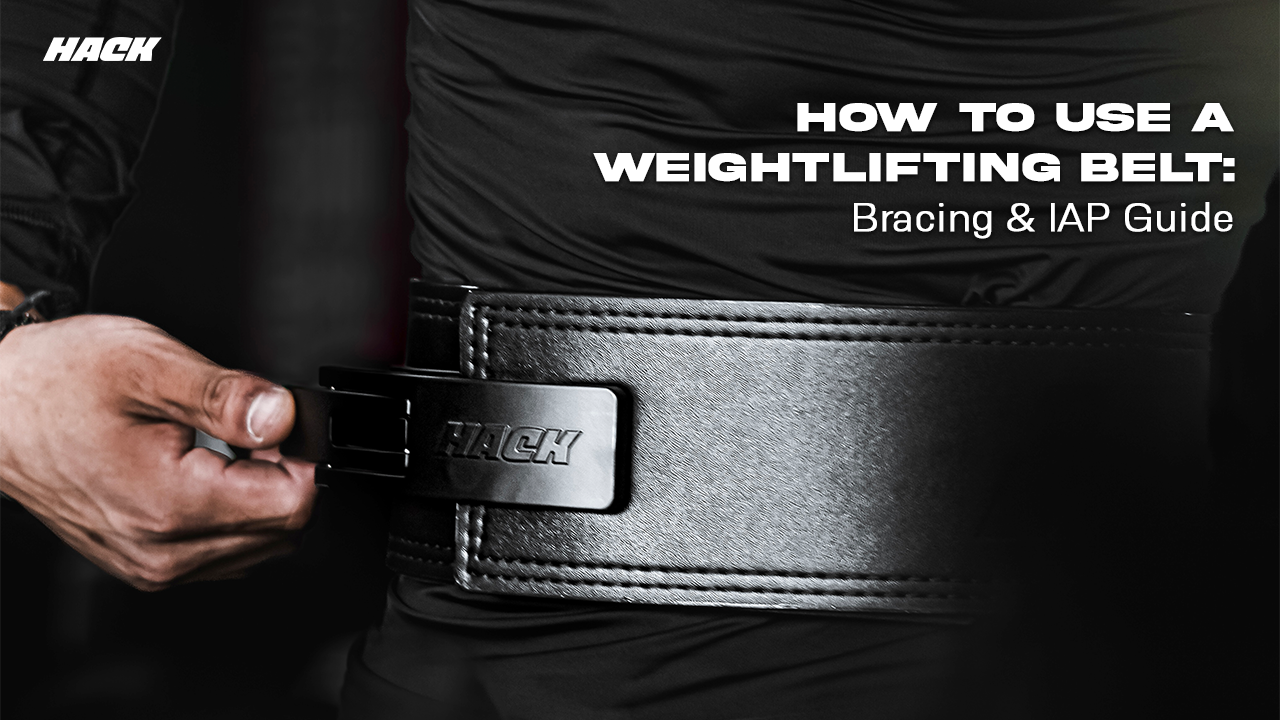
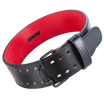
The most consequential single item. A quality 10mm or 13mm lever belt produces measurable performance gains on squat and deadlift. For most lifters, the 10mm carbon fibre lever belt is the right starting point, with stiffness sufficient for raw lifting up to international levels. Serious competitors often graduate to a 13mm lever belt for maximum bracing.
Item 2: Knee sleeves
Joint warmth, proprioception, and a small amount of elastic rebound. 7mm sleeves are the standard for serious raw lifters, with the 7mm performance knee sleeves covering training use and the 7mm competition cone-shaped sleeves for meets.
Item 3: Wrist wraps
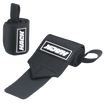
Wrist wraps support the wrist on heavy bench press, overhead press, and front squats. The stiff 24-inch wrist support with thumb loops is the standard for competitive bench press, while more flexible options from the complete wrist support collection suit general training and recovery work.
Item 4: Lifting straps
Grip is the limiting factor on heavy pulls for many lifters once weights exceed roughly 1.5 times bodyweight. The 24-inch padded lifting straps add 30 to 50 kg of effective grip support on deadlifts and pulling assistance work.
Item 5: Knee wraps (optional, for advanced lifters)
Knee wraps are a separate category from sleeves and are used in equipped powerlifting or by very heavy raw squatters seeking elastic energy storage. The performance knee wraps for squats serve this niche need.
Store support gear in a dedicated compartment or roll-bag inside the main duffle. This prevents lever belt buckles from scratching shaker bottles and keeps sleeves from getting compressed flat between heavy items.
4. Essentials 6 to 8: Hydration and Nutrition
Hydration matters more than most lifters acknowledge, especially in Indian summers. Adequate fluid intake during training affects everything from grip strength to mental focus to recovery quality. The American College of Sports Medicine consistently emphasises pre-, intra-, and post-session hydration as one of the cheapest performance interventions available.
Item 6: Insulated water bottle
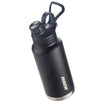
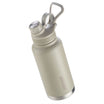
A 900 ml to 1 litre insulated stainless steel bottle maintains cold water through a full 90-minute session even when left next to a radiating treadmill bank. The Hydra 950ml premium water bottle is the standard choice. Plain plastic bottles warm up within 20 minutes and discourage drinking.
Item 7: Shaker bottle
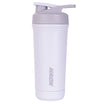
Shakers handle pre-workout, intra-workout BCAAs, and post-workout protein. An insulated stainless steel shaker keeps mixed drinks cold throughout the session. The 709ml insulated steel shaker resolves the durability and odour problems of plastic versions.
Item 8: Pre-portioned protein and carbs
A small zip pouch or single-serve container with one scoop of protein and a measured carb source (oats, dates, or rice cake) lets you handle pre-workout fuel without depending on the gym cafe. This is especially valuable for early morning sessions when nothing is open.
5. Essentials 9 to 11: Training Accessories
Three smaller items make a disproportionate difference to session quality: chalk, a notebook or phone log, and resistance bands for warm-ups.
Item 9: Chalk or grip aid
Hand chalk dramatically improves grip on heavy pulls, pull-ups, and any high-rep grip-intensive work. A small block of magnesium carbonate or a liquid chalk bottle fits in any side pocket. Many Indian gyms do not provide chalk, and the ones that do often have used-out, dust-only remnants.
Item 10: Training log
Whether a paper notebook or a phone app, tracking the weights, sets, and reps you actually lift is one of the most reliable performance enhancers in strength training. Memory is unreliable across multiple training days. Written logs let you spot patterns, plateau early, and prevent the slow drift toward sub-maximal training.
Item 11: Resistance band kit
A small set of mini-bands and a single loop band handles glute activation warm-ups, shoulder mobility prep, and assisted variations of pull-ups or dips. Bands weigh almost nothing and take minimal bag space. Most lifters who add bands to their warm-up routine find they reduce small overuse niggles within weeks.
Keep a written PR list (personal records) in the back of your training log. On low-energy days, scanning previous PRs is a surprisingly effective motivational nudge to push through the warm-up rather than skip the session.
Build your lifter's loadout in one place
From the bag itself to the belt, sleeves, straps, and shaker that go inside, Hack Athletics covers the full gym kit. Free delivery across India.
Shop Gym Equipment6. Essentials 12 to 13: Recovery and Mobility
Recovery tools weigh little and take minimal space, but contribute disproportionately to how you feel the day after a heavy session. Two items belong in every lifter's bag.
Item 12: Lacrosse ball or massage ball
A single firm rubber ball, around 65mm in diameter, addresses tight glutes, mid-back, and lat trigger points that limit overhead pressing and squat depth. Five minutes of targeted rolling between sets often unlocks more range of motion than 20 minutes of static stretching.
Item 13: Compact mobility tool or stretching strap
A nylon stretching strap with handles or a folding mobility stick supports hamstring, hip flexor, and shoulder mobility work. These are the three areas where most lifters lose range over time, particularly desk workers who spend the day seated.
The body weight reference
Tracking body weight consistently across recovery cycles helps lifters spot fatigue trends before they become injuries. A BMI body weighing scale at home gives a stable daily reference point. Weight should be checked at the same time each day, ideally first thing in the morning after using the bathroom and before eating.
Recovery insight: Lifters who add 10 minutes of post-session mobility work report a measurable reduction in delayed-onset muscle soreness over a 4-week trial period, according to coaching literature published by peer-reviewed sports medicine journals.
7. Essentials 14 to 15: Personal Care and Convenience
Two items round out the loadout: a compact towel and a small personal-care pouch. Both are easy to forget and immediately missed when you have left them at home.
Item 14: Microfibre towel
A medium-sized microfibre towel (around 40 x 80 cm) handles sweat between sets, dries off after a shower if your gym has one, and protects equipment from sweat marks. Microfibre dries quickly and packs to a fraction of the size of a cotton towel.
Item 15: Personal care pouch
A small zip pouch with deodorant, a comb or hair tie, hand sanitiser, antiseptic wipes, and any tape or band-aids you use covers the small needs that arise mid-session. Athletic tape for split hands, ibuprofen for joint flare-ups, and a basic blister kit cost very little and prevent small issues from interrupting training.
What about phone and headphones
These are not on the 15-item list because most lifters carry them outside the bag in pockets. But a small interior pouch for headphones (especially in-ear models that get tangled with sleeve straps) is worth dedicating. Tangled headphones at the start of a session are a needlessly annoying way to begin.
8. Packing Order: How to Layer the Bag
Where you put each item inside the bag matters as much as which items you bring. A consistent packing order means you can reach for anything without unpacking the bag, even in a crowded changing room.
Bottom layer: heavy and stable
Place the heaviest items (lever belt, water bottle, scale if you carry one) at the bottom of the main compartment. This keeps the bag's centre of gravity low and prevents lighter items from getting crushed.
Middle layer: gear you need first
Knee sleeves, wrist wraps, and lifting straps go in the middle layer where you can grab them quickly during warm-ups. Roll them rather than fold them to preserve neoprene structure and prevent permanent creases.
Top layer: clothes and towel
Training clothes and the microfibre towel go on top, easy to reach when you walk in. Stuff a clean shirt at the very top for the walk home.
Separated compartment: wet items
Used sweaty shirts, post-shower towels, and any damp item belong in the separated wet compartment. Never mix these with dry support gear or clean clothes. This single discipline is what makes a gym bag last two to three years instead of six months.
External pockets: small frequently accessed items
Chalk, phone, headphones, the personal care pouch, and a notebook fit in external side pockets. Side pockets keep these items reachable without opening the main compartment.
9. Common Mistakes Lifters Make Packing Their Bag
The same handful of packing mistakes appear across every gym ladder. Each is correctable with a small habit change.
Leaving wet gear in the bag overnight
The single largest cause of gym bag odour, mildew on belt leather, and shortened sleeve lifespan. Every wet item must come out within an hour of getting home. Hang or lay flat to dry, then return to the bag the next morning.
Packing the belt on top of sleeves
A 4 kg lever belt compresses neoprene sleeves and creates folds that become permanent over months. Belts belong at the bottom, sleeves in the middle.
Forgetting to refill water and shaker between sessions
Empty bottles dehydrate the next session before it starts. Refill water and prep the shaker the night before for early-morning lifters. This single habit improves session quality more than most lifters expect.
Not budgeting for replacement gear
All bag contents wear out. Sleeves last 18 to 24 months. Wrist wraps last 12 to 18 months. Lifting straps last 12 to 36 months depending on use. Treat gear as consumable and replace before failure rather than after. Coaching publications such as those reviewed by the USA Powerlifting coaching staff regularly highlight the cost of training with degraded support gear, and the International Powerlifting Federation technical rulebook specifies exact dimensional standards that worn gear may no longer meet.
Never store a wet belt rolled tight. The leather develops permanent creases and the buckle area can corrode. Hang lever belts flat or loosely rolled with the leather facing out.
10. Who Uses Each Loadout Style
Not every lifter needs the full 15-item loadout. Different training profiles call for different bag setups.
- Bag, water bottle, shaker, towel, training clothes
- Basic lever belt once squats and deadlifts move past 60 percent of one rep max
- Notebook for tracking lifts
- Personal care pouch
- 30L duffle gym bag with all beginner essentials
- Knee sleeves and wrist wraps
- Lifting straps for pull days
- Chalk and resistance band kit
- Full intermediate kit plus competition-spec gear
- 13mm carbon fibre lever belt for maximum bracing
- Competition-approved 7mm hourglass sleeves
- Backup pair of every wear item for meet day
- 30L bag with separated paddle protection
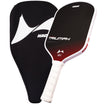
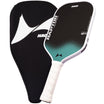
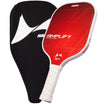
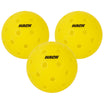
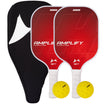
- Pickleball paddle and balls in dedicated cover
- Basic intermediate lifting kit
- Court shoes separated from lifting shoes
- 15 essentials cover the full Indian lifter's needs: bag, belt, sleeves, wrist support, straps, water bottle, shaker, pre-workout fuel, chalk, training log, bands, lacrosse ball, mobility tool, towel, and personal care pouch.
- A 25 to 35 litre duffle with a separated wet compartment is the standard bag size. Backpacks suit commuter lifters.
- Support gear earns its place quickly once squat or deadlift cross approximately 80 percent of one rep max.
- Hydration matters more in Indian summers than most lifters acknowledge. Insulated steel bottles win against plastic.
- Packing order matters: heavy on the bottom, support gear in the middle, clothes on top, wet items in a separated compartment.
- Replace gear before it fails. Sleeves last 18 to 24 months, wrist wraps 12 to 18 months. Treat training gear as consumable.
11. Related Reading
12. Frequently Asked Questions
How big should my gym bag be for lifting?
A 25 to 35 litre duffle is the sweet spot for most lifters in India. It carries a belt, sleeves, straps, wrist wraps, a shaker, a water bottle, training clothes, and a small towel without becoming awkwardly large. A 30 litre bag like the Hack Athletics 30L duffle fits the typical full loadout with room for shoes in a separated compartment, and is still small enough to be allowed in most gym lockers.
Do I really need a powerlifting belt at the gym?
For squats and deadlifts above approximately 80 percent of your one rep max, a quality lifting belt meaningfully improves intra-abdominal pressure and protects the lower back. Below that intensity it is not strictly necessary. Once you are consistently working in the 1 to 5 rep range on heavy compound movements, a belt is among the highest-value pieces of gear you can own.
Should I pack a shaker bottle or a regular water bottle?
Pack both. The shaker handles intra-workout protein, pre-workout, or BCAAs that need mixing. A separate water bottle handles plain water, which you should be drinking more of than mixed beverages anyway. Insulated steel water bottles maintain hydration for hour-long Indian gym sessions in summer better than thin plastic bottles.
How do I keep my gym bag from smelling?
Separate wet items from dry items immediately after every session, never leave damp clothing or sleeves in the bag overnight, and air the bag out for at least an hour every couple of days. A small mesh laundry bag inside the main compartment for sweaty clothes contains odour. Replace the bag's interior liner annually if it starts to develop persistent smell that does not wash out.
What is the difference between training and competition lifting gear?
Competition gear is built to the technical specifications of a specific powerlifting federation, with documented thickness, length, and material. Training gear shares the same general construction but does not need to meet competition rules. For lifters not actively competing, training gear gives equivalent performance at lower cost. Once you sign up for your first meet, switch to federation-approved equipment a few weeks before the event.
Can I pack my pickleball gear in the same bag as my lifting gear?
Yes if your bag has a separated shoe compartment and enough volume. A 30 litre duffle can handle a paddle, shoes, lifting gear, and clothes for a combined gym-and-court day. Paddles are best protected with a dedicated cover. Avoid pressing the paddle against hard objects like dumbbells or scales during transit.
How often should I wash my lifting gear?
Knee sleeves and wrist wraps should be hand washed in cold water after every two to three sessions. Lever belts should be wiped down with a damp cloth after each session and never submerged. Cotton lifting straps can be machine washed monthly. Air dry all gear away from direct sunlight and heat to extend lifespan.
Do I need different bags for early morning and evening sessions?
Not necessarily, but the loadout differs. Early morning lifters benefit from packing the bag the night before, including pre-workout shake powder ready to add water. Evening lifters often need an extra change of clothes for the commute home and may want a larger bag. The same 30 litre bag handles both with adjustments to what is inside.
Is a gym backpack better than a duffle bag?
It depends on your commute. Backpacks suit cyclists, walkers, and public transport commuters because the weight is distributed across both shoulders. Duffles suit lifters who drive or use ride-shares and prefer the wider single compartment for sleeves, belts, and bulky shoes. Many serious lifters own one of each and switch based on the day.