










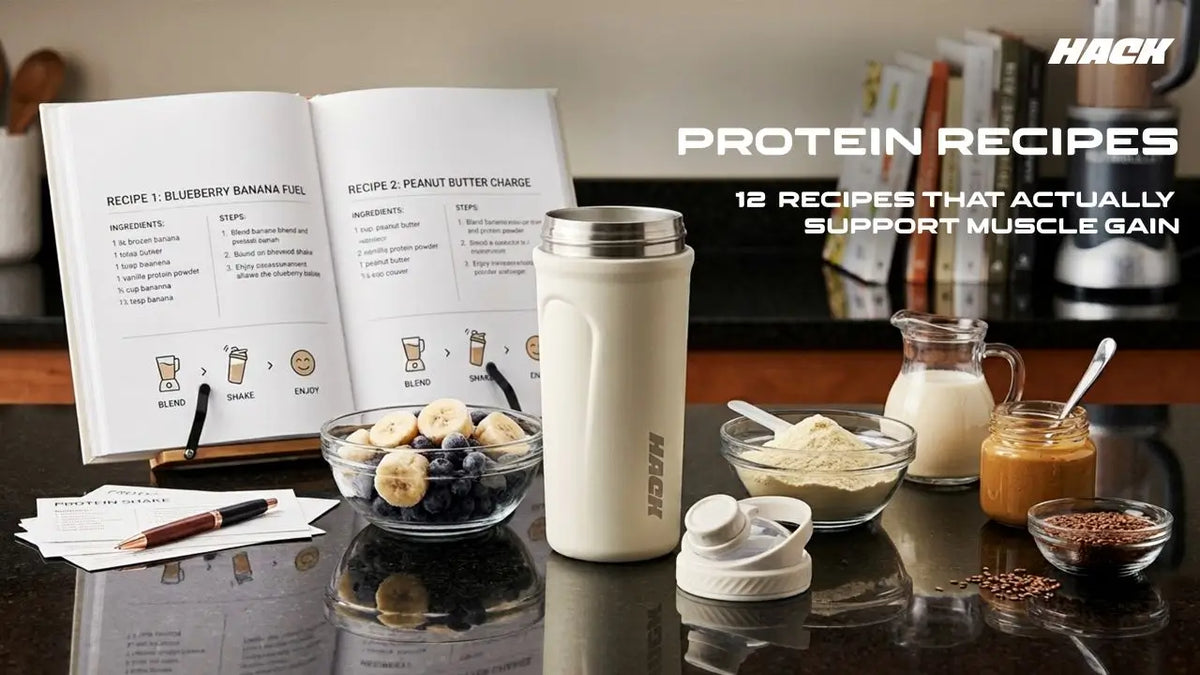
- Every recipe here is built around 20 to 40 grams of protein, the dose research shows best supports muscle protein synthesis.
- You get 12 shakes across four styles: classic post-workout, fruity and refreshing, high-calorie mass gainers and dairy-free vegan.
- Each shake pairs protein with the right carbs and fats so it actually fuels growth, not just adds a scoop to water.
- A full macro comparison table lets you match a shake to your goal, whether that is lean gain, bulking or recovery.
- Leucine is the key amino acid trigger, and we show how to hit roughly 2 to 3 grams per serving.
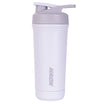
- The right shaker or blender bottle makes these quick to prepare and easy to take anywhere.
- Why Protein Shakes Actually Support Muscle Gain
- How Much Protein You Need for Muscle Growth
- The Formula for a Muscle-Building Shake
- Classic Whey Post-Workout Shakes
- Fruity and Refreshing Shakes
- High-Calorie Mass-Gainer Shakes
- Dairy-Free and Plant-Based Shakes
- Macro Comparison of All 12 Shakes
- How to Choose the Right Protein Powder
- Who Should Drink Protein Shakes?
- Related Reading
- Frequently Asked Questions
A protein shake is only as good as what goes into it. A lonely scoop of powder shaken with water will technically add protein to your day, but if you are serious about muscle gain, your shakes can do far more. Blended with the right carbs, fats and whole-food add-ins, a shake becomes a genuine muscle-building tool that fuels recovery, hits your protein target and tastes good enough to look forward to.
Below are 12 protein shake recipes that actually support muscle gain, each with approximate macros and a clear purpose. First, a quick tour of the science so you understand why these recipes are built the way they are, and then the gear that makes them effortless to prepare, from a pro blend shaker bottle to an insulated flask. Hack Athletics builds the bottles and gear that fuel your training, and you can read more about us if you are new here.
1. Why Protein Shakes Actually Support Muscle Gain
Muscle is built through a process called muscle protein synthesis, or MPS. Resistance training breaks muscle down, and dietary protein provides the amino acids that rebuild it bigger and stronger. When you eat enough protein consistently, you tip your body into a positive protein balance where growth outpaces breakdown.
Shakes shine because they are fast, convenient and easy to digest at times when whole food feels like too much, such as right after a hard session. While it is entirely possible to meet your protein needs from whole foods, supplemental protein is a practical way of ensuring adequate protein quality and quantity, especially for athletes training at high volumes (International Society of Sports Nutrition). A well-built shake also lets you pair protein with carbohydrate to replenish energy and support recovery, which a plain scoop of powder does not.
The bottom line: shakes are a tool, not magic. They support muscle gain by making it easy to hit your daily protein target and to feed your muscles around training.
2. How Much Protein You Need for Muscle Growth
Two numbers matter: how much protein you eat in a day, and how much you get per serving.
Your daily target
For building and maintaining muscle, an overall daily protein intake of 1.4 to 2.0 grams per kilogram of bodyweight is sufficient for most exercising individuals, with resistance-trained lifters often aiming toward the higher end (International Society of Sports Nutrition). A comprehensive review puts the athlete sweet spot at 1.6 to 2.2 grams per kilogram daily, spread across several meals (Cardiac Longevity review).
Your per-shake target
To maximize MPS at a single sitting, aim for roughly 20 to 40 grams of protein. Studies consistently show MPS peaks around a 20 to 25 gram dose of high-quality protein for many people, with larger or heavily trained athletes benefiting from the higher end. Sports nutrition researchers likewise place the optimal intake at about 20 to 40 grams per meal, distributed through the day (Danone Research). Just as important is leucine, the amino acid that flips the muscle-building switch. Consuming around 2 to 3 grams of leucine per serving strongly stimulates protein synthesis, and an ideal post-workout shake provides whey with at least 3 grams of leucine alongside a fast carbohydrate (Journal of the ISSN, protein timing review).
Quick math: a 75 kg lifter aiming for 1.8 g/kg needs about 135 g of protein a day. Two 35 g shakes plus three protein-rich meals gets you there comfortably.
3. The Formula for a Muscle-Building Shake
Every recipe below follows the same simple template. Learn it and you can build endless variations of your own.
The five building blocks
A complete muscle-building shake combines a protein base of one to two scoops of whey or plant protein, a carbohydrate source such as banana, berries, oats or milk to fuel recovery, a healthy fat like nut butter, seeds or coconut for calories and satiety, a liquid base of milk, plant milk or water, and optional extras like cocoa, cinnamon, coffee or greens for flavour and micronutrients.
The tools that make it easy
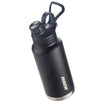
For simple powder-and-liquid shakes, a good shaker bottle is all you need. The pro blend shaker bottle mixes powder smoothly and is easy to carry, and you can browse the full shaker bottles range for more. When a recipe includes whole fruit, oats, ice or nut butter, a blender produces the smoothest texture. To keep a pre-made shake cold for hours, an insulated stainless steel shaker is ideal. If you are weighing steel against plastic, our guides on stainless steel vs plastic shakers and single wall vs double wall bottles will help you pick.
Hydration counts too: muscle is roughly 75 percent water, so keep fluids up alongside your shakes. Keep a Hydra water bottle on hand and see how much water a lifter should drink daily.
4. Classic Whey Post-Workout Shakes
Fast-digesting whey plus a quick carb is the textbook post-workout combination. These three are your reliable, everyday recovery shakes.
1. Classic Chocolate Recovery Shake
The gold standard. Whey and banana with a scoop of peanut butter for staying power.
- 1 scoop chocolate whey protein
- 1 banana
- 250 ml milk
- 1 tablespoon peanut butter
- Handful of ice
Approx macros: 40 g protein, 450 kcal. Best for everyday post-workout recovery.
2. Vanilla Berry Blast
Lighter and antioxidant-rich, with Greek yogurt for a thick, creamy texture and extra protein.
- 1 scoop vanilla whey protein
- 150 g mixed berries
- 100 g Greek yogurt
- 200 ml milk
Approx macros: 38 g protein, 350 kcal. Best for lean muscle gain.
3. Cold Brew Coffee Protein
A pre-workout and recovery two-in-one with a caffeine kick.
- 1 scoop chocolate or vanilla whey
- 200 ml cold brew coffee
- 150 ml milk
- Half a banana
Approx macros: 35 g protein, 320 kcal. Best for a morning or pre-training shake.
5. Fruity and Refreshing Shakes
When you want something that tastes like a treat, these fruit-forward shakes still deliver serious protein.
4. Mango Lassi Protein
A protein twist on the Indian classic, creamy and lightly spiced.
- 1 scoop vanilla whey protein
- 150 g ripe mango
- 100 g Greek yogurt
- 200 ml milk
- Pinch of cardamom
Approx macros: 35 g protein, 360 kcal. Best for a refreshing recovery treat.
5. Strawberry Banana
The crowd-pleaser that everyone will drink, kids and lifters alike.
- 1 scoop vanilla or strawberry whey
- 100 g strawberries
- 1 banana
- 250 ml milk
Approx macros: 34 g protein, 340 kcal. Best for an easy daily shake.
6. Pineapple Coconut Protein
A tropical, dairy-light option with a hydrating edge from coconut water.
- 1 scoop vanilla whey protein
- 150 g pineapple
- 200 ml coconut water
- 2 tablespoons coconut milk
Approx macros: 32 g protein, 330 kcal. Best for warm-weather refreshment.
Blend It, Bottle It, Take It Anywhere
From leak-proof blender bottles to insulated steel flasks that keep your shake cold for hours, the right bottle turns a good recipe into an effortless habit.
Shop Bottles and Shakers6. High-Calorie Mass-Gainer Shakes
If you are a hard gainer who struggles to eat enough, these calorie-dense shakes help you hit the surplus needed to grow. Whole milk, oats and nut butter do the heavy lifting.
7. Peanut Butter Bulk Bomb
A dense, satisfying gainer that eats like a milkshake.
- 2 scoops whey protein
- 60 g rolled oats
- 2 tablespoons peanut butter
- 1 banana
- 350 ml whole milk
- 1 teaspoon honey
Approx macros: 45 g protein, 700 kcal. Best for bulking and hard gainers.
8. Chocolate Oat Mass Gainer
Maximum calories and protein for serious size phases.
- 2 scoops chocolate whey
- 60 g rolled oats
- 2 pitted dates
- 1 tablespoon almond butter
- 350 ml whole milk
Approx macros: 50 g protein, 750 kcal. Best for aggressive mass gain.
9. Cookies and Cream Gainer
Dessert energy, real muscle-building macros.
- 2 scoops cookies and cream or vanilla whey
- 40 g oats
- 1 banana
- 1 tablespoon cashew butter
- 300 ml whole milk
Approx macros: 48 g protein, 720 kcal. Best for weight gain with flavour.
Tracking your gain: mass phases work best when you monitor bodyweight trends. A BMI body weighing scale helps you adjust calories so you gain muscle without excess fat, and pairs well with your training on an adjustable dumbbell set.
7. Dairy-Free and Plant-Based Shakes
Plant proteins build muscle effectively when total protein and essential amino acids are covered. Use a pea and rice or soy blend, and a slightly larger dose helps match whey's leucine content.
10. Vegan Chocolate Peanut Butter
Rich, satisfying and completely dairy-free.
- 1.5 scoops plant protein (pea and rice blend)
- 300 ml almond milk
- 1 banana
- 1 tablespoon peanut butter
- 1 teaspoon cocoa powder
Approx macros: 35 g protein, 450 kcal. Best for dairy-free muscle gain.
11. Green Power Vegan
Protein plus a hidden serving of greens and omega-3s.
- 1.5 scoops vanilla plant protein
- 1 handful spinach
- 1 banana
- 300 ml almond milk
- 1 tablespoon chia seeds
Approx macros: 30 g protein, 350 kcal. Best for nutrient-dense recovery.
12. Berry Almond Vegan
A lighter, refreshing plant-based option with healthy fats.
- 1.5 scoops vanilla plant protein
- 150 g mixed berries
- 300 ml almond milk
- 1 tablespoon almond butter
- 1 teaspoon ground flaxseed
Approx macros: 30 g protein, 380 kcal. Best for lean plant-based gain.
8. Macro Comparison of All 12 Shakes
Use this table to match a shake to your goal at a glance. Macros are approximate and will vary with your specific powder and portion sizes.
| Shake | Style | Protein | Calories | Best For |
|---|---|---|---|---|
| Classic Chocolate Recovery | Whey | 40 g | 450 | Everyday recovery |
| Vanilla Berry Blast | Whey | 38 g | 350 | Lean gain |
| Cold Brew Coffee Protein | Whey | 35 g | 320 | Morning or pre-workout |
| Mango Lassi Protein | Whey | 35 g | 360 | Refreshing treat |
| Strawberry Banana | Whey | 34 g | 340 | Easy daily shake |
| Pineapple Coconut | Whey | 32 g | 330 | Warm-weather refresh |
| Peanut Butter Bulk Bomb | Gainer | 45 g | 700 | Bulking |
| Chocolate Oat Mass Gainer | Gainer | 50 g | 750 | Aggressive mass |
| Cookies and Cream Gainer | Gainer | 48 g | 720 | Weight gain |
| Vegan Chocolate PB | Plant | 35 g | 450 | Dairy-free gain |
| Green Power Vegan | Plant | 30 g | 350 | Nutrient-dense recovery |
| Berry Almond Vegan | Plant | 30 g | 380 | Lean plant-based gain |
9. How to Choose the Right Protein Powder
The powder you build your shakes on shapes their quality. Here is how to pick.
Whey protein
Whey is the gold standard for post-workout recovery because it digests quickly and is rich in leucine. A standard 25 gram scoop typically delivers the roughly 2 to 3 grams of leucine you want to trigger muscle protein synthesis, and most quality powders contain about 25 percent branched-chain amino acids (NASM). Whey isolate is leaner and lower in lactose than concentrate.
Casein protein
Casein digests slowly, making it ideal before bed. A 30 to 40 gram pre-sleep dose can support overnight muscle protein synthesis, which is useful during hard training or a bulk (International Society of Sports Nutrition).
Plant protein
Pea, rice, soy and blends are excellent for dairy-free and vegan lifters. Because some plant proteins are slightly lower in leucine, a marginally larger serving helps match whey. Blends that combine sources give a more complete amino acid profile. For most people, the best protein is simply the one that fits their diet and that they will use consistently.
10. Who Should Drink Protein Shakes?
Protein shakes suit almost anyone training for muscle or strength. Here is how different lifters use them and the gear that helps.
- Aim for 20 to 40 grams of protein and roughly 2 to 3 grams of leucine per shake to support muscle protein synthesis.
- Hit a daily target of about 1.4 to 2.2 grams of protein per kilogram of bodyweight, using shakes to fill the gaps.
- Build shakes with protein plus a carb and a fat, not just powder and water, so they truly fuel recovery.
- Match the shake to your goal: leaner options for lean gain, calorie-dense gainers for bulking, plant blends for dairy-free.
- A quality shaker or insulated bottle makes hitting your protein target a simple daily habit.
11. Related Reading
Keep dialling in your nutrition and gear with these guides and products from Hack Athletics.
Disclaimer:
Protein requirements and dietary needs vary from person to person. The content and recipes shared here are for educational purposes only and should not replace professional medical or nutritional advice.12. Frequently Asked Questions
How much protein should a muscle-building shake have?
Aim for roughly 20 to 40 grams of high-quality protein per shake. Research shows this range maximizes muscle protein synthesis for most people, with around 20 to 25 grams being enough for many and larger or heavily trained lifters benefiting from the higher end.
Are protein shakes necessary to build muscle?
No, they are not strictly necessary, but they are a practical, convenient way to hit your daily protein target. You can build muscle on whole foods alone, yet shakes make it far easier to reach 1.4 to 2.0 grams of protein per kilogram of bodyweight each day, especially around training.
When is the best time to drink a protein shake?
Around your workout is a convenient and effective window, either before or after training. That said, total daily protein spread across the day matters most, so the best time is whenever it helps you hit your target consistently. A pre-sleep casein shake can also support overnight recovery.
What should I mix protein powder with for muscle gain?
Mix protein with a carbohydrate source like fruit, oats or milk to replenish energy and support recovery, plus a healthy fat like nut butter for calories on a bulk. Milk, water or a plant milk all work as the base. For mass gain, add oats, banana and nut butter to raise the calories.
Can I build muscle with vegan protein shakes?
Yes. Plant proteins can build muscle effectively when you get enough total protein and essential amino acids. Blends like pea and rice or soy provide a complete amino acid profile, and adding a slightly larger dose helps match the leucine content of whey.
Is a mass-gainer shake good for building muscle?
A high-calorie mass-gainer shake helps if you struggle to eat enough to grow. The extra calories from oats, nut butter and whole milk support a calorie surplus needed to gain size. If you gain fat easily, use leaner shakes and get most calories from meals instead.
How much leucine do I need in a shake?
Aim for roughly 2 to 3 grams of leucine per serving to strongly stimulate muscle protein synthesis. Whey naturally provides this in a 25 gram scoop, and most quality protein powders contain around 25 percent branched-chain amino acids, of which leucine is the key driver.
Should I use a blender or a shaker bottle?
A shaker bottle is perfect for simple powder-and-liquid shakes and for taking to the gym. Use a blender when a recipe includes whole fruit, oats, ice or nut butter, since it produces a smoother texture. An insulated stainless steel bottle keeps a pre-made shake cold for hours.

