







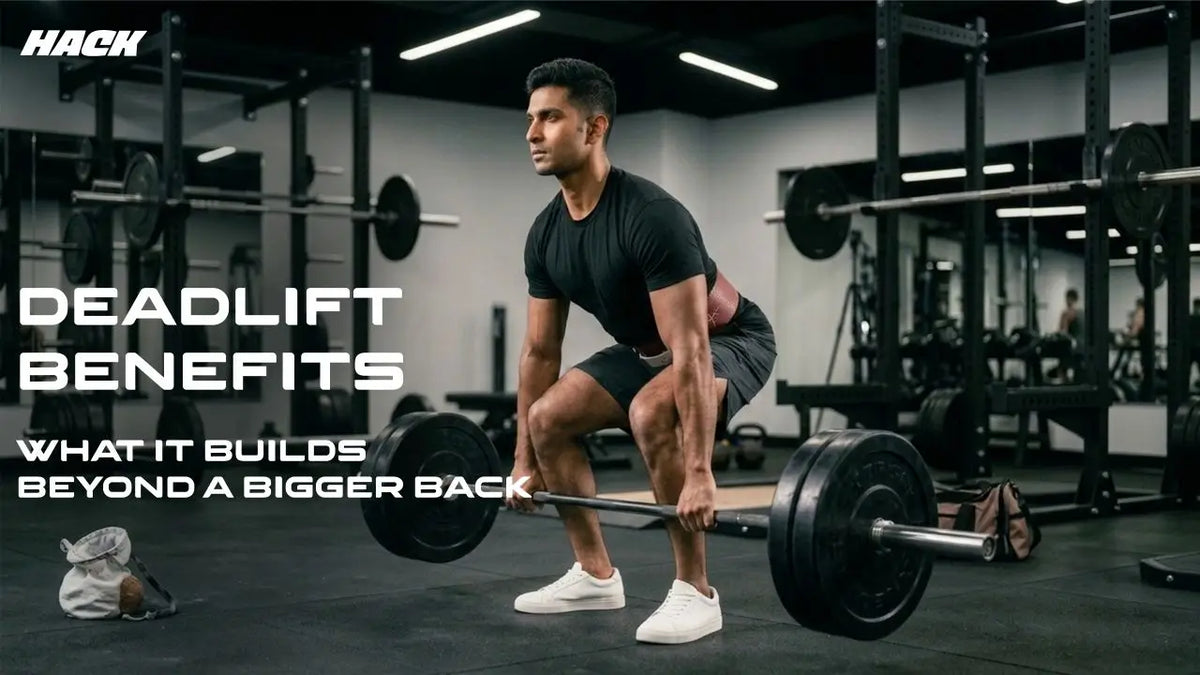
- The deadlift is a full-body lift, not a back exercise. It trains the posterior chain, quads, grip, traps and core in one movement.
- It delivers total-body strength that transfers directly to everyday tasks like lifting, carrying and hinging safely.
- Deadlifting builds grip strength, which large studies link to lower all-cause and cardiovascular mortality.
- The axial loading stimulates bone remodeling, helping maintain or increase bone mineral density at the hip and spine.
- A strong posterior chain supports better posture and is associated with reduced low-back pain.
- Progress it safely with a solid hip hinge, a braced core, and gear like lifting straps and a lever belt for heavy sets.
- What Is a Deadlift, and Why Is It Called the King of Lifts?
- The Muscles a Deadlift Builds
- Total-Body Strength That Transfers to Real Life
- A Powerful Posterior Chain, Better Posture and a Braced Core
- Grip Strength, a Surprising Marker of Health
- Stronger Bones and Healthier Aging
- Athletic Power, Metabolism and Lean Muscle
- Deadlift Variations and What Each One Builds
- How to Deadlift Safely and the Gear That Helps
- Who Should Be Deadlifting?
- Related Reading
- Frequently Asked Questions
Ask most people what the deadlift trains and they will say your back. They are not wrong, but they are missing almost the entire picture. The deadlift is arguably the most complete strength exercise in existence, loading dozens of muscles at once and paying dividends that reach far beyond a thicker set of lats and spinal erectors. It builds grip, bone density, posture, athletic power and a braced core, and it does all of that while teaching your body the single most useful pattern in life: picking something heavy off the ground without getting hurt.
This guide breaks down the real deadlift benefits, the ones that matter whether you compete in powerlifting or just want to stay strong and capable for decades. Along the way we will cover the muscles it works, the variations worth knowing, and the gear that keeps your heavy pulls safe, from a set of lifting straps to a proper lever belt. Hack Athletics builds equipment for serious lifters, and you can read more about us if you are new to the brand.
1. What Is a Deadlift, and Why Is It Called the King of Lifts?
The deadlift is a compound pulling exercise in which you lift a loaded barbell from the floor to a standing position by extending your hips and knees, then lower it back down under control. The name comes from lifting a dead weight, one with no momentum, from a dead stop on the ground. It is one of the three competition lifts in powerlifting alongside the squat and bench press, and it is often the lift where people move the most absolute weight.
It earns the nickname king of lifts because no other single movement recruits as much muscle mass under as much load. That combination is exactly why its benefits stack up across strength, muscle, bone and even long-term health. The deadlift trains the bracing and hinging patterns you use every time you pick something heavy off the ground, from a suitcase to a toddler, which is why coaches describe it as one of the most functional exercises you can do (Science Insights).
Quick definition: a deadlift is a hip-hinge pull that moves a load from the floor to lockout. Master the hinge first, and the strength and health benefits follow.
2. The Muscles a Deadlift Builds
To understand why the deadlift does so much, it helps to see how much it recruits. The lift is dominated by the posterior chain, but its reach extends across the whole body.
Primary movers: the posterior chain
The deadlift primarily targets the muscles running down the back of your body: the gluteus maximus, the hamstrings and the erector spinae that line your spine. These are the muscles that extend your hips and hold your spine rigid as you stand the weight up. Building them is what gives the deadlift its reputation for a stronger back and a more powerful hip drive.
Secondary movers
The lift also heavily involves the quadriceps as you push the floor away, plus the forearms and hands that grip the bar, and the trapezius, rhomboids and lats that hold your upper back tight. Very few exercises train the grip and upper back this hard while also loading the legs and hips.
The core
Finally, the deadlift is a serious core exercise. Your abs, obliques and deep trunk stabilizers fire hard to keep your torso steady and your spine neutral against the pull of the bar. As one strength expert put it, the effort required to stabilize the weight leads to significant activation of the core musculature (Nike). That is a genuine anti-flexion challenge you simply do not get from most machine exercises.
3. Total-Body Strength That Transfers to Real Life
Because the deadlift loads so many large muscles simultaneously, it is one of the fastest ways to build raw, usable strength. And unlike isolation exercises, the strength it builds transfers directly to the world outside the gym.
The deadlift trains the exact movement pattern, the hip hinge, that you use to lift anything heavy from the ground safely. Strengthen it under a barbell and you make every real-world lift easier and less risky, whether that is loading luggage, moving furniture or picking up a child. Medical experts note that if your goal is to increase total-body strength, deadlifts can help you get there, and that they are particularly effective for the posterior-chain muscles most people neglect (GoodRx).
That carryover is also why strength and conditioning coaches across many sports program the deadlift. The strength you build in a heavy pull underpins nearly every other lift and athletic action. If you are learning to brace properly for those heavy pulls, our guide on how to use a weightlifting belt walks through building intra-abdominal pressure step by step.
4. A Powerful Posterior Chain, Better Posture and a Braced Core
Modern life is spent folded forward: at desks, in cars, over phones. That posture weakens the muscles on the back of the body and tightens the front. The deadlift is a direct antidote.
Posture and back health
By strengthening the glutes, hamstrings and spinal erectors, the deadlift helps pull you back into a taller, more upright posture. Research on posterior-chain training is encouraging here: frequent posterior-chain work is associated with reductions in back pain and improvements in overall posture (Nike). Far from being bad for your back, a well-performed deadlift is one of the best ways to build a resilient one.
Core stability that protects you
The bracing demand of the deadlift builds a core that stabilizes your spine under load, which reduces injury risk and improves balance in everyday movement. This is the kind of deep, functional core strength that crunches never deliver, because it trains your trunk to resist movement rather than create it.
The posture payoff: a stronger posterior chain and a braced core work together to counter desk-bound rounding, support your spine and keep you moving well as you age.
5. Grip Strength, a Surprising Marker of Health
Here is a benefit almost nobody expects. Holding a heavy barbell in your hands set after set forces your forearms and hands to work overtime, and grip strength is one of the most trainable and transferable qualities the deadlift develops. The deadlift is especially effective for grip when you pull without straps on your lighter sets.
Why does that matter beyond the gym? Because grip strength is one of the simplest and most powerful predictors of long-term health. A landmark study of nearly 140,000 people across 17 countries, published in The Lancet, found that every 5 kg drop in grip strength was associated with a 16 percent higher risk of death from any cause, and that grip strength predicted mortality even more strongly than systolic blood pressure (The Lancet). Building a stronger grip is not just about holding the bar; it is a proxy for whole-body strength and resilience.
Train grip smart: build raw grip on your lighter sets, then reach for lifting straps on your heaviest pulls so your grip is never the reason you leave reps on the table.
Hold On to Every Rep
When your grip gives out before your back does, quality lifting straps keep you pulling heavy. Build grip on lighter sets, then strap in for your top pulls.
Shop Lifting Straps6. Stronger Bones and Healthier Aging
Muscle gets the attention, but the deadlift may do just as much for your skeleton. Bone is living tissue that remodels in response to stress, and few exercises load the skeleton like a heavy deadlift.
The axial loading of a deadlift, weight bearing straight down through the hips and spine, stimulates bone remodeling and helps build denser, stronger bones. Research indicates that resistance exercise targeting the large muscles crossing the hip and spine can maintain or increase bone mineral density at the lumbar spine and femoral neck, with the greatest skeletal benefit coming from heavier loads performed regularly (Science Insights). For older adults and anyone concerned about osteoporosis, that is a powerful, drug-free way to protect against fractures.
There is a longevity angle too. Muscle mass and strength are associated with lower mortality from all causes, so the muscle and strength the deadlift builds are quite literally an investment in a longer, more capable life (GoodRx).
Load matters: the biggest bone-density gains come from challenging loads, roughly 80 percent of your max, trained consistently over time. That is exactly what progressive deadlifting delivers.
7. Athletic Power, Metabolism and Lean Muscle
The deadlift is not just about grinding out slow, heavy reps. Trained well, it develops explosive hip power that carries straight into sport.
Power and athleticism
Because the deadlift strengthens the posterior chain that drives jumping and sprinting, it helps you produce more force. A deadlift training program has been shown to improve vertical jump height and power output in as little as ten weeks (1st Phorm). If you want to move faster and jump higher, heavy pulls belong in your program.
Muscle and metabolism
Loading several big muscle groups at once makes the deadlift a strong stimulus for muscle growth, and more lean muscle raises your resting metabolic rate over time. Compound lifts also allow smooth progressive overload, since you can add small increments of weight session after session, which keeps the growth coming. Support that work with smart recovery: see our guide on pre workout vs post workout shakes and keep a shaker bottle in your bag.
8. Deadlift Variations and What Each One Builds
The deadlift is a family of lifts, not a single movement. Each variation shifts the emphasis, so you can pick the one that matches your goals and body.
| Variation | Main Emphasis | Best For | Lower-Back Demand | Skill Level |
|---|---|---|---|---|
| Conventional Deadlift | Whole posterior chain, back | Overall strength and mass | High | Beginner to advanced |
| Sumo Deadlift | Quads, adductors, glutes | More upright torso, shorter range | Moderate | Intermediate |
| Romanian Deadlift | Hamstrings and glutes | Posterior chain with less fatigue | Moderate | Beginner to advanced |
| Trap-Bar Deadlift | Quads and posterior chain | Beginners, athletes, joint comfort | Lower | Beginner |
| Dumbbell Deadlift | Hinge pattern, home training | Learning the movement, accessories | Lower | Beginner |
The Romanian deadlift is worth a special mention. Starting from standing and pushing the hips back with soft knees shifts the emphasis heavily onto the hamstrings and glutes, making it a favourite for posterior-chain development with less overall fatigue than a floor pull. If you train at home, a adjustable dumbbell set lets you perform dumbbell and Romanian deadlifts without a full barbell setup, and the wider gym equipment range can round out your kit.
9. How to Deadlift Safely and the Gear That Helps
The deadlift is only as risky as your technique. Learn the pattern properly and it is one of the safest, most rewarding lifts you can do. Here is how to protect yourself and progress.
Nail the fundamentals
Set your feet under the bar, hinge at the hips with a neutral spine, grip the bar just outside your knees, brace your core hard, and drive through the floor to stand tall. Keep the bar close to your body the whole way. The most common mistakes, rounding the back under heavy load and yanking the bar with the arms, come from chasing weight before the pattern is solid. Learn the movement light before you load it heavy.
Belts for heavy bracing
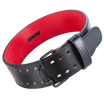
Once your pulls get heavy, a belt lets you brace harder and supports the lower back. The 10mm lever belt offers a firm, quick-release fit ideal for deadlifts, the 13mm lever belt gives maximum rigidity for advanced lifters, and the 7mm prong belt is a versatile all-rounder. Prefer tool-free adjustment? The quick locking weightlifting belt changes tightness on the fly. Browse the full weight lifting belts range and the dedicated quick locking belt collection, and read our guides on how to size a weightlifting belt, 13mm vs 10mm lever belts, 2 claw vs 4 claw levers and powerlifting vs bodybuilding belts to choose well.
Straps and wrist support for grip
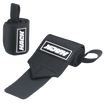
When your grip becomes the limiting factor, padded lifting straps or figure 8 straps keep you pulling heavy. For accessory pressing and joint support, wrist wraps from the wrist support collection help. Our guide on how to wear wrist wraps correctly covers the details.
Gear is a tool, not a crutch: build raw strength and grip first, then add straps and a belt to push past your natural limits on your heaviest sets.
10. Who Should Be Deadlifting?
The short answer is almost everyone. The deadlift scales from a light dumbbell hinge to a maximal barbell pull, so it fits every kind of trainee. Here is how different lifters put it to work.
- Adjustable Dumbbell Set for hinge work
- Gym Equipment to build a home setup
- 30L Duffle Gym Bag for training on the move
- The deadlift is a full-body lift that builds far more than a bigger back, including grip, bones, posture, power and core strength.
- It trains the posterior chain hardest but recruits the quads, forearms, traps and entire core in one movement.
- The grip strength it develops is linked in research to lower all-cause and cardiovascular mortality.
- Its heavy axial loading helps build and preserve bone density, making it valuable for healthy aging.
- Learn the hip hinge first, then add lifting straps and a lever belt to progress your heaviest pulls safely.
11. Related Reading
Keep building your pull and your setup with these guides and gear from Hack Athletics.
12. Frequently Asked Questions
What are the main benefits of the deadlift?
The deadlift builds total-body strength, a powerful posterior chain, a stronger grip, denser bones, better posture, a braced core and greater athletic power. Because it loads many large muscles at once, it delivers more strength and health return per exercise than almost any other movement.
Do deadlifts only work your back?
No. Deadlifts are a full-body lift. They primarily train the posterior chain, meaning the glutes, hamstrings and spinal erectors, but they also work the quads, forearms and grip, the trapezius and upper back, and the entire core, which braces hard to keep the spine neutral under load.
Are deadlifts good for building muscle?
Yes. The deadlift places heavy load on several large muscle groups at the same time, which is a strong stimulus for muscle growth in the glutes, hamstrings, back and traps. Compound lifts like the deadlift also let you add weight in small increments over time, which drives long-term progress.
Can deadlifts improve bone density?
Yes. Deadlifting is a weight-bearing, axial-loading exercise, and research shows resistance training that loads the hips and spine can maintain or increase bone mineral density at the lumbar spine and hip. This makes the deadlift a valuable tool for healthy aging and fracture prevention.
Do I need lifting straps and a belt to deadlift?
Not to start. Train your raw grip on lighter sets so it develops naturally. As loads climb, lifting straps let you keep pulling heavy after your grip fails, and a belt helps you brace harder and support the lower back on your top sets. Both are tools to add once you are lifting serious weight.
Is the deadlift safe for your back?
Done with a neutral spine, a braced core and a controlled hinge, the deadlift is safe and can actually strengthen the back and reduce low-back pain by building the posterior chain. Poor form, rounding under heavy load and ego lifting are what cause problems, so learn technique before chasing weight.
How often should I deadlift?
For most lifters, one to two focused deadlift sessions per week is plenty. The lift is demanding on the nervous system and recovery, so quality and progression matter more than frequency. Beginners can start with lighter, higher-rep sets to build the pattern before loading heavy.
Which deadlift variation is best for beginners?
The conventional deadlift or a trap-bar deadlift are the friendliest starting points because they teach the hip hinge with a more upright, forgiving position. Romanian deadlifts are excellent for targeting the hamstrings and glutes once you can hinge well. Master the pattern light before adding load.