




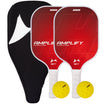

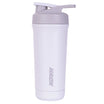
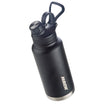
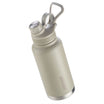



- The core strength-training accessories are a belt, lifting straps, knee sleeves, wrist wraps, a shaker, a water bottle and a gym bag.
- Each accessory solves a specific limitation, from grip and bracing to joint support, hydration and recovery.
- Buy gear to fix a real training need rather than collecting everything at once, and start raw as a beginner.
- Belts and straps unlock heavier lifts, while sleeves and wraps add support and confidence under load.
- Nutrition and hydration gear like a shaker and bottle matter as much as the lifting support for day-to-day progress.
- A little care keeps leather, neoprene and cotton gear performing and hygienic for years.
- What Counts as an Essential Gym Accessory?
- The Weightlifting Belt
- Lifting Straps for Grip
- Knee Sleeves and Wraps
- Wrist Wraps for Pressing
- Shakers, Bottles and Hydration
- Bags and Carrying Your Kit
- Tracking and Recovery Tools
- How to Build Your Stack
- Who Needs Which Accessories?
- Related Reading
- Frequently Asked Questions
Walk into any serious strength gym and you will see it: belts cinched for heavy squats, straps looped around deadlift bars, sleeves hugging knees, shakers lined up by the benches. The right gym accessories do not make you strong on their own, but they let you train harder, lift heavier and recover better, which over months adds up to real progress. The trick is knowing what you actually need and in what order to buy it.
This guide walks through the essential gym accessories for a strength athlete, what each one does, and how to build your stack without wasting money on gear you will not use. Hack Athletics makes the full range, which you can explore in the gym equipment collection or by browsing all products, and you can read more about us first.
1. What Counts as an Essential Gym Accessory?
An essential accessory is one that solves a genuine limitation in your training. That limitation might be grip giving out before your back on a deadlift, a lack of bracing on a heavy squat, cold or achy knees, or simply not getting enough protein and water around your sessions.
The goal is not to own everything. It is to match gear to the problem you actually have. A good accessory earns its place by letting you train harder or recover better, not by sitting in your bag. Buying to solve real needs keeps your kit lean and genuinely useful (Savage Fitness).
The rule: buy an accessory to fix a specific limitation in your training, not to complete a collection. Gear that solves a real problem gets used, everything else gathers dust.
2. The Weightlifting Belt
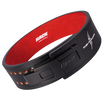
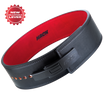
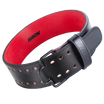
The belt is the cornerstone accessory for strength training. It gives your abdominal wall a firm surface to brace against, so you can raise intra-abdominal pressure, stiffen your trunk and support your spine under heavy load.
When you need one
A belt earns its place once your working sets on squats, deadlifts and presses climb toward roughly 80 percent of your max. Below that, train beltless so your core develops. Above it, a belt lets you brace harder and lift more. Learn the technique in our guide on how to use a weightlifting belt.
Which belt to choose
A 10mm lever belt is a versatile, repeatable choice for most lifters, while a 7mm prong belt is easy to fine-tune, and a quick locking belt adjusts on the fly. Compare the options in the weight lifting belts collection.
3. Lifting Straps for Grip
On heavy pulls, your grip often fails before the muscles you are actually trying to train. Lifting straps solve that by wrapping around the bar so your hands stay attached after your grip would otherwise give out.
How they help
Straps let you keep pulling heavy on deadlifts, rows and shrugs, adding training volume to your back and posterior chain that grip would otherwise cap. Build raw grip on your lighter sets, then strap in for your heaviest work. A set of padded lifting straps suits most lifters, while figure 8 straps give a more locked-in hold for maximal pulls.
Straps or wraps?
Straps and wraps are often confused. Straps support your grip on the bar for pulls, while wrist wraps support your wrist joint for presses. See the full breakdown in wrist wraps vs wrist straps, and browse the lifting straps collection.
4. Knee Sleeves and Wraps
Your knees take a pounding under heavy squats, and knee support is one of the most popular accessories for lower-body training.
Knee sleeves
Neoprene knee sleeves add warmth, compression and a feeling of stability that most lifters appreciate on squat day. The 7mm knee sleeves are a popular all-round choice, and you can explore the full knee support range.
Knee wraps
For heavy, low-rep squats, knee wraps give far more aggressive support, wrapped tightly for each set. They are a specialist tool rather than an everyday one. To choose between them, read knee sleeves vs knee wraps.
Build Your Complete Kit
From belts and straps to sleeves, wraps, shakers and bags, everything a strength athlete needs is in one place.
Shop Gym Equipment5. Wrist Wraps for Pressing
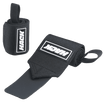
When you press heavy, your wrists can bend back under the load, which both weakens the press and risks strain. Wrist wraps brace the joint so it stays straight and strong.
How they help
Wrapping the wrist supports it through the bench press, overhead press and heavy lockouts, letting you press more confidently and protecting the joint. A flexible wrist wrap suits general training, while a stiff wrist wrap gives maximum support for heavy pressing. Browse the wrist support collection.
6. Shakers, Bottles and Hydration
The gear that supports your nutrition and hydration matters as much as the lifting support, because recovery is where progress actually happens.
Shakers for protein
A good shaker makes hitting your daily protein target effortless. The pro blend shaker mixes everyday shakes smoothly, and an insulated steel shaker keeps a pre-made shake cold for hours. See the full shaker bottles range, and time your intake with our guide on pre workout vs post workout shakes.
Hydration
Training is thirsty work, so a quality water bottle belongs in every gym bag. The Hydra water bottle holds plenty for a full session, and the water bottles range has more. See how much you need in how much water should a lifter drink daily.
7. Bags and Carrying Your Kit
Once you own a few accessories, you need a way to carry them. A dedicated gym bag keeps your gear organised, aired and together, so you never arrive for a heavy session missing a key piece.
A 30L work and gym backpack holds a full kit with room for clothes and a towel and doubles for the office and the gym. A well-packed bag means you never forget a key piece of kit (Gymshark). Browse the bags and backpacks collection, and see our checklist in gym bag essentials.
8. Tracking and Recovery Tools
Beyond the lifting and nutrition gear, a couple of tools help you measure progress and recover, which keeps you training consistently.
Measuring progress
A BMI body weighing scale that tracks body composition shows whether your training and nutrition are moving you in the right direction, far more usefully than weight alone.
Recovery habits
Recovery gear is simple but important: stay hydrated, fuel with protein, and look after the joints you load hardest. The sleeves, wraps and bottles above all feed into recovery, which is where the adaptation from training actually takes place.
9. How to Build Your Stack
You do not need everything at once. Build your accessory stack in the order your training demands, and each purchase will earn its place.
The sensible order
Most lifters benefit from a water bottle and bag immediately, then lifting straps once grip limits their pulls, then a belt once they squat and deadlift near 80 percent of their max, then knee sleeves and wrist wraps as loads climb, and a shaker and scale to support nutrition and track progress throughout. Buy to solve a real limitation, not to collect gear (BarBend).
Quality over quantity
A few quality pieces you use every session beat a bag full of gear you never touch. Spend on the accessories that match your training, look after them, and they will last for years. A focused core kit of a belt, straps, sleeves and wraps covers the vast majority of lifters (Katamu). A compact, well-chosen kit that travels easily between home and gym serves you for years (Apex Wolf).
- The essential strength accessories are a belt, lifting straps, knee sleeves, wrist wraps, a shaker, a water bottle and a bag.
- Each one solves a specific limitation, so buy to fix a real training need rather than to collect gear.
- Belts and straps unlock heavier lifts, while sleeves and wraps add joint support and confidence under load.
- Nutrition and hydration gear supports the recovery where progress actually happens.
- Build your stack in the order your training demands, and care for leather, neoprene and cotton to make it last.
10. Who Needs Which Accessories?
The right stack depends on how and where you train. Here is a quick guide, with the gear that fits.
11. Related Reading
Keep building your kit and your knowledge with these guides and gear from Hack Athletics.
12. Frequently Asked Questions
What gym accessories do I actually need?
For strength training, the core accessories are a weightlifting belt for heavy bracing, lifting straps for grip on pulls, knee sleeves for squats, wrist wraps for pressing, a shaker and water bottle for nutrition and hydration, and a gym bag to carry it all. Add gear as your training demands it rather than buying everything at once.
In what order should I buy gym accessories?
Start with what your training needs first. Most lifters benefit from a shaker and water bottle immediately, then lifting straps once grip limits their pulls, then a belt once they squat and deadlift near 80 percent of their max, then knee sleeves and wrist wraps as loads climb. Buy to solve a real limitation, not to collect gear.
Do beginners need gym accessories?
Beginners need very little at first. A water bottle and a bag cover the basics. Learn to brace and grip the bar raw before adding a belt or straps, so your core and grip still develop. As your lifts get heavy, support gear like a belt, sleeves and wraps becomes genuinely useful.
What is the difference between lifting straps and wrist wraps?
Lifting straps wrap around the bar to support your grip on pulling movements like deadlifts and rows. Wrist wraps wrap around your wrist joint to support it on pressing movements like the bench press and overhead press. They do different jobs, and many lifters own both.
Are knee sleeves or knee wraps better?
Knee sleeves provide warmth, compression and a feeling of stability for everyday training and higher-rep squats. Knee wraps provide much more aggressive support for heavy, low-rep squats and are wrapped tightly for each set. Sleeves suit most lifters, while wraps are a specialist tool for maximal work.
What should I keep in my gym bag?
A well-packed gym bag holds your belt, straps, sleeves and wraps, a filled water bottle, a shaker with your post-workout protein, a towel, and a spare set of clothes. Keeping your gear organised in one bag means you never arrive for a heavy session missing a key piece.
Do gym accessories actually improve performance?
Used correctly, yes. A belt raises intra-abdominal pressure for heavier braced lifts, straps let you keep pulling after your grip fails, and sleeves and wraps add support and confidence under load. They do not replace strength or technique, they let you express more of the strength you already have.
How do I care for my gym accessories?
Wipe leather belts and condition them occasionally, hand wash neoprene sleeves and cotton wraps and air dry them, rinse shakers and bottles promptly so they do not smell, and never seal damp gear in a closed bag. A little care keeps your accessories performing and hygienic for years.
