







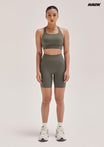
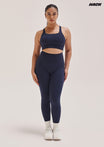

- The fabric type matters more than anything else in gym wear, and for leggings nylon is the best all-round choice.
- Nylon blends feel soft, stay opaque and hold their shape, while polyester is lighter and quicker drying but thinner.
- Look for Lycra in the blend. It is the stretch fibre that lets leggings move with you and spring back without bagging.
- Squat-proof simply means a thicker, good-quality fabric that stays opaque, so always do the squat test before you trust a pair.
- Compression gives a snug, supportive, flattering fit and keeps the garment in place through your session.
- Wash cold and inside-out, keep it away from heat, and pair your activewear with the right training gear.
- Why Fabric Matters Most in Gym Wear
- Nylon vs Polyester: Which to Choose
- Lycra and Why It Is the Mark of Quality
- What Makes Leggings Squat-Proof
- Compression and How It Helps
- Building a Training Wardrobe
- Fit and Choosing the Right Size
- Caring for Your Activewear
- Pairing Activewear With Training Gear
- Who Needs What?
- Related Reading
- Frequently Asked Questions
Gym wear for women has come a long way from plain cotton leggings that go see-through the moment you squat. The difference between activewear that performs and activewear that lets you down is almost always the fabric. Get the fabric right and your kit stays opaque, supportive and comfortable through your hardest sets. Get it wrong and you spend the session tugging at your waistband and checking the mirror.
The good news is you do not need to be an expert to choose well. This guide keeps it simple: which fabric to pick, what Lycra does, how to spot genuinely squat-proof leggings, and how to build a training wardrobe that works. Hack Athletics builds the training gear that completes a lifter's kit, which you can explore in the gym equipment range, and you can read more about us first.
1. Why Fabric Matters Most in Gym Wear
Activewear is working clothing. It has to move with you through a deep squat, cope with sweat, stay opaque under stretch and keep its shape rep after rep. All of that comes down to one thing above all: the fabric it is made from.
The two things most women want from gym wear are that it stays put and that it stays opaque. Both are decided by the type and quality of the fabric, not by the brand name or the price tag. Once you know what to look for, you can judge a pair of leggings in seconds (Veynd).
The simple rule: judge gym wear by its fabric, not its label. The right fabric is what keeps leggings opaque, supportive and comfortable, and it is easy to check for yourself.
2. Nylon vs Polyester: Which to Choose
Almost all gym wear is made from one of two main fabrics, nylon or polyester, blended with a stretch fibre. Knowing the difference is the single most useful thing when you shop.
Nylon is the better all-rounder
For leggings, nylon is usually the better choice. It feels soft and smooth against the skin, it is naturally more opaque so it stays squat-proof, and it holds a supportive, flattering shape. This is why premium activewear leans on nylon blends (Stretch House). If you want one fabric that does everything well, nylon is it.
Polyester is lighter and quicker drying
Polyester is lighter, cheaper and dries faster, which makes it a good pick for hot weather, running and sweaty cardio. The trade-off is that it tends to feel thinner and less premium, and cheaper polyester leggings are more likely to go sheer. For high-sweat cardio it works well, but for heavy lifting and squats, nylon has the edge.
| What matters | Nylon blend | Polyester blend |
|---|---|---|
| Feel | Soft, smooth, premium | Lighter, can feel thinner |
| Opacity (squat-proof) | Better, stays opaque | Can go sheer if cheap |
| Shape and support | Holds shape well | Good, slightly less so |
| Drying speed | Dries well | Dries fastest |
| Best for | Lifting, squats, everyday | Hot weather and cardio |
Quick answer: for leggings and squats, choose nylon. For light, sweaty cardio in the heat, polyester is fine. Whichever you pick, the stretch fibre blended in is what makes it last.
3. Lycra and Why It Is the Mark of Quality
Nylon and polyester give activewear its feel, but neither stretches on its own. The stretch comes from a fibre blended in, and the best one has a name you can look for: Lycra.
What Lycra does
Lycra is a premium stretch fibre. It is what lets leggings stretch with you through a deep squat and then spring back to a snug fit, so they do not sag or bag at the knees and seat. Cheaper generic stretch fibre does the same job at first but loses its spring far sooner, which is why budget leggings go baggy after a few washes.
Why it is worth looking for
Seeing Lycra on the label is one of the simplest signs of quality activewear, because it means the stretch and shape will last. Good stretch fibre is also what holds compression over time, so your leggings keep feeling supportive rather than loose (Mayhem Performance).
4. What Makes Leggings Squat-Proof
Squat-proof is the word everyone searches for, and it is simpler than it sounds. It just means the fabric stays opaque when you stretch and bend, instead of going see-through.
It comes down to fabric quality
A thicker, good-quality fabric, usually a soft nylon blend, stays opaque under the stretch of a deep squat. Thin, cheap fabric, often lightweight polyester, goes sheer the moment it is pulled tight. You do not need to read any numbers on a label. A denser, better-made legging simply holds together where a flimsy one gives up.
Always do the squat test
The only reliable way to know is to test it. Stretch the fabric over your hand or, better still, squat and bend in front of a mirror in bright light. If you can see through it under stretch, it is not squat-proof, whatever the label claims. Testing at full range of motion is the proof that matters (Catar Cottega).
The 10-second test: bend over and squat in front of a mirror in good light before you commit. Opaque under full stretch means squat-proof. See-through means leave it on the shelf.
Gear Up Your Training
Great activewear deserves great training gear. Explore belts, sleeves, wraps and more, built for men and women who lift.
Shop Training Gear5. Compression and How It Helps
Compression is one of the most popular features in women's gym wear, and it is easy to understand.
What compression does
Compression gear fits snugly and gently supports the muscles, which many women find comfortable and flattering during training. Just as importantly, a compressive fit holds the garment firmly in place, so it does not shift, roll down or ride up mid-set. That lets you focus on the lift instead of your clothes.
Why it needs good fabric
Compression only works if the fabric stays firm and springs back, which again comes down to quality stretch fibre like Lycra. Without it, leggings stretch out and the supportive feel disappears. With it, they keep that snug, held-in fit session after session (Vitality).
6. Building a Training Wardrobe
A functional gym wardrobe does not need to be huge. A few quality, well-chosen pieces cover almost all training.
The core pieces
High-waisted squat-proof nylon leggings or training shorts are the foundation. Add a supportive sports bra for impact and heavier training, breathable tops for conditioning, and a warm layer for cold sessions. High-waisted leggings in particular tend to stay put and feel secure through heavy lower-body work.
Match the piece to the training
Heavy lifting rewards supportive, squat-proof nylon bottoms and a secure top. Running and conditioning suit lighter, quick-drying polyester. Buying a couple of pieces for each kind of training you do beats a drawer full of leggings that only work for one.
7. Fit and Choosing the Right Size
Even the best fabric fails if the fit is wrong, so sizing deserves a moment of thought.
Snug, not strangling
Activewear should feel snug and supportive without digging in or restricting your breathing. A high waistband should sit comfortably above the hip without rolling down when you bend. If the fabric is pulled so thin at your size that it goes sheer, size up or choose a thicker, better-quality pair.
Check it at full range
The fitting-room squat test is real. Squat, hinge and lunge in bright light to check both that the fabric stays opaque and that the waistband and legs stay put. A legging that passes at full range of motion will serve you through every session.
8. Caring for Your Activewear
Good gym wear is an investment, and simple care keeps it performing far longer.
Wash cool, dry cool
Wash activewear cold and inside-out to protect the fabric. Skip fabric softener and bleach, which damage the stretch fibre and ruin the shape over time. Air dry where you can, or tumble on low, because high heat is the fastest way to wreck the stretch in Lycra.
Keep it fresh
Do not leave sweaty activewear balled up in a bag, where it can develop odour and mildew. Air it out after training and wash it before the next heavy session. A ventilated bag helps, and our checklist in gym bag essentials covers what else to carry.
9. Pairing Activewear With Training Gear
Great gym wear is the base layer of a lifter's kit. As your training gets heavier, support gear completes it, and the best of it is made for both men and women.
Support for heavy lifts
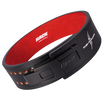
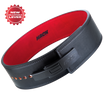
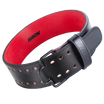
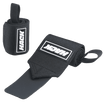
A weightlifting belt for men and women supports heavy squats and deadlifts, knee sleeves add warmth and compression on squat day, and wrist wraps steady the wrist for pressing. Explore the belts, knee support and wrist support ranges, and see how to put on knee sleeves.
Nutrition, hydration and carrying your kit
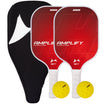
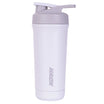
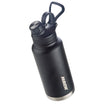
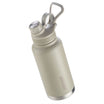
Round out your kit with a shaker bottle for protein and a Hydra water bottle for hydration. A work and gym backpack carries it all between home, work and the gym. Time your nutrition with pre workout vs post workout shakes.
- Fabric type is the most important thing in gym wear, and for leggings nylon is the best all-round choice.
- Nylon is soft, opaque and holds its shape, while polyester is lighter and quicker drying but thinner.
- Look for Lycra in the blend. It gives lasting stretch and keeps leggings from bagging out.
- Squat-proof just means a thicker, good-quality fabric that stays opaque, so always do the squat test.
- Wash cold and away from heat, and pair your activewear with belts, sleeves and wraps made for women.
10. Who Needs What?
Match your kit to how you train. Here is a quick guide, with the gear that completes it.
11. Related Reading
Keep building your training knowledge and kit with these guides and gear from Hack Athletics.
12. Frequently Asked Questions
What makes gym leggings squat-proof?
Squat-proof leggings use a thicker, good-quality fabric, usually a soft nylon blend, that stays opaque when you stretch and bend. Thin, cheap fabric goes sheer under tension. The only sure test is to stretch the fabric over your hand or squat in front of a mirror in good light before you buy.
What fabric is best for women's gym wear?
Nylon blends are the best all-round choice for leggings. They feel soft and smooth, stay opaque, and hold a supportive, flattering shape. Polyester blends are lighter and dry faster, which suits sweaty cardio, but they tend to feel thinner. Look for Lycra in the blend for lasting stretch.
Is nylon or polyester better for leggings?
For leggings, nylon is generally better. It is softer against the skin, more opaque so it stays squat-proof, and holds its shape and compression well. Polyester is lighter, cheaper and quicker to dry, making it a good pick for hot weather and cardio, but it usually feels thinner and less premium.
What is Lycra and why does it matter?
Lycra is a premium stretch fibre blended into good activewear. It is what lets leggings stretch with you and then spring back, so they keep their shape and do not bag at the knees and seat over time. Seeing Lycra on the label is a reliable sign of quality, lasting stretch.
What does compression do in activewear?
Compression gear fits snugly and gently supports the muscles, which many women find comfortable and flattering during training. It also holds the garment in place so it does not shift or roll down mid-set. Good compression comes from a close fit and quality stretch fibre like Lycra that keeps the fabric firm.
How do I stop my leggings going see-through?
Choose a thicker, good-quality nylon fabric with Lycra rather than thin, cheap leggings, and avoid very light single-layer fabrics. Before buying or wearing them to train, stretch the fabric over your hand or squat in front of a mirror in bright light to check it stays opaque.
How do I wash gym wear to keep its shape?
Wash activewear cold and inside-out, skip fabric softener and bleach, and air dry rather than tumble drying hot. Heat is the enemy of stretch fibres like Lycra, so a hot wash or hot dryer will shorten the life of the stretch and compression faster than anything else.
What should I wear for weight training as a woman?
For lifting, choose squat-proof high-waisted nylon leggings or shorts, a supportive sports bra, and flat, stable shoes. As your training gets heavier, add support gear such as a weightlifting belt, knee sleeves and wrist wraps, which are made for both men and women.
