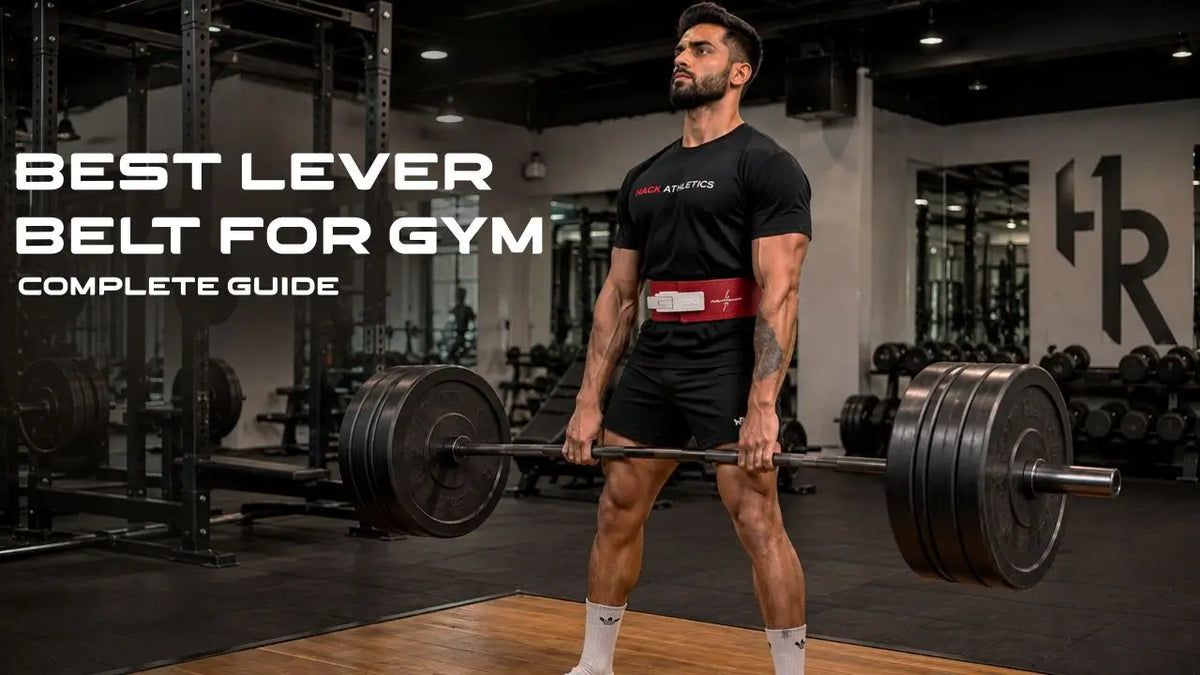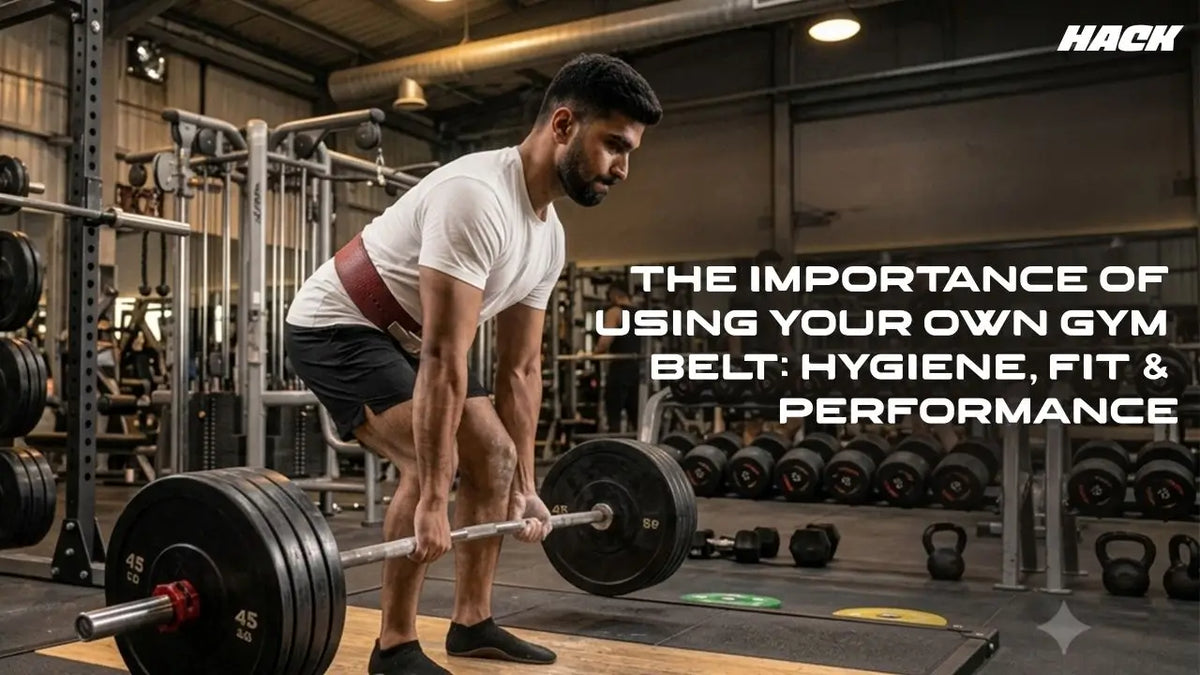

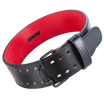






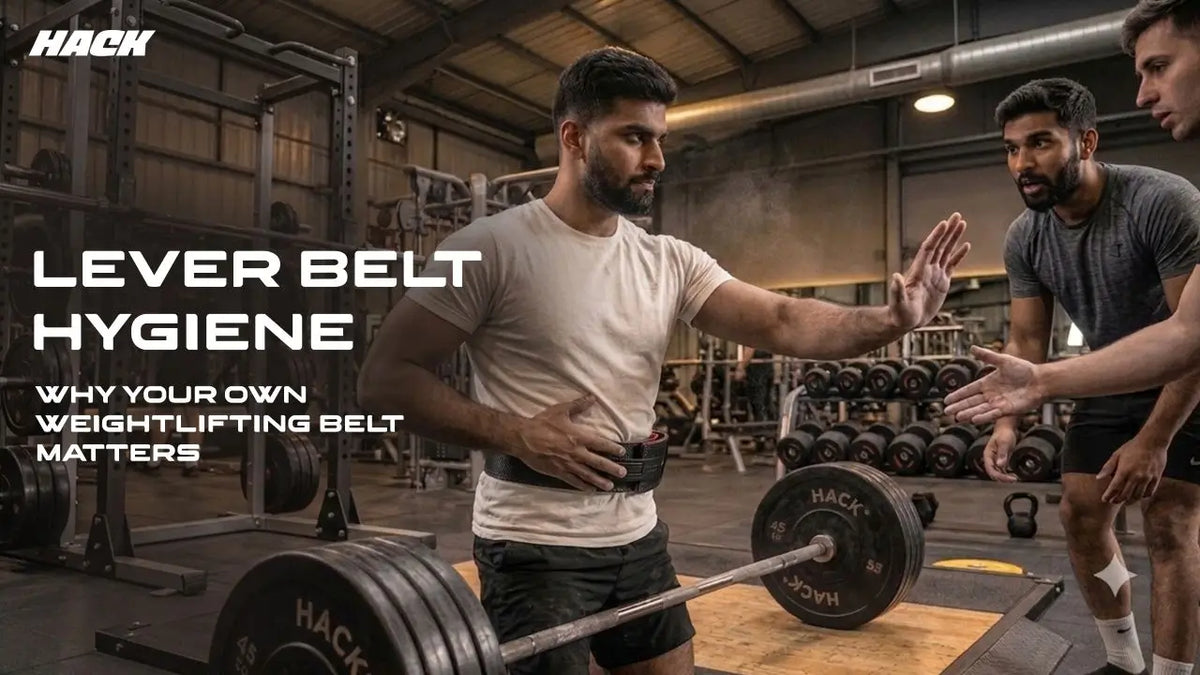
- A lever belt is thick leather held tight against sweaty skin, which makes hygiene and care more important than for wipe-clean gear.
- Leather is porous and organic, so it absorbs sweat, salt and chalk deep into the material where bacteria and odour develop.
- The inner surface that touches your skin needs the most attention, and cleaning it is the single most impactful hygiene step.
- Harsh methods like rubbing alcohol or machine washing damage leather, so a leather-safe cleaner plus conditioning is the right approach.
- A lever belt is set to one fixed notch for your body, which is another reason it should be yours alone.
- With a simple wipe, dry, clean and condition routine, your own lever belt stays hygienic and lasts for years.
- Why Lever Belt Hygiene Deserves Your Attention
- What Makes a Lever Belt Different
- Why Thick Leather Belts Absorb and Hold Sweat
- What Builds Up Inside a Neglected Lever Belt
- Why You Cannot Just Disinfect Leather Like Metal
- The Fit Case: A Lever Belt Is Set to Your Notch
- How to Clean a Leather Lever Belt
- Cleaning Dos and Don'ts
- Storing and Maintaining Your Belt Long Term
- Who Needs Their Own Lever Belt Most?
- Related Reading
- Frequently Asked Questions
A lever belt is one of the best investments a serious lifter can make, and one of the most neglected when it comes to care. It is thick, stiff leather cinched tight around your midsection for every heavy set, soaking up sweat session after session. Left unattended, that belt becomes stiff, smelly and unhygienic, and it slowly loses the very rigidity that made you buy it. Good lever belt hygiene protects both your skin and your investment.
This guide explains why lever belts specifically demand attention, what builds up inside neglected leather, and exactly how to clean, condition and store your belt so it stays fresh and rigid for years. If you are shopping for one, Hack Athletics builds lever belts in a range of thicknesses and finishes, and you can read more about us and our build quality first.
1. Why Lever Belt Hygiene Deserves Your Attention
Most lifters think about a belt's stiffness, thickness and lever mechanism when buying, and almost never about hygiene. Yet the belt is arguably the piece of gear in closest, most prolonged contact with your skin. It wraps your torso under tension and heat for the length of your working sets, absorbing everything your body produces.
Sweat is the culprit. It is a rich mixture of mineral salts, amino acids, lactic acid and lipids, which makes it an excellent nutrient source for bacteria and fungi even after it dries (The Conversation). A leather belt soaks that nutrient-rich sweat straight into its fibres, giving microbes a warm, damp place to live. That is why hygiene is not an afterthought for a lever belt; it is central to owning one.
The short version: a lever belt combines thick, porous leather, prolonged skin contact and constant sweat. Ignore hygiene and it becomes both unpleasant and less effective.
2. What Makes a Lever Belt Different
To care for a lever belt well, it helps to understand what sets it apart from other belts and gear.
The lever mechanism
A lever belt fastens with a metal lever that clamps to a single fixed position. Unlike a prong belt, which you thread through holes each time, a lever is bolted to one notch that matches your waist. That means it is set up for one body, yours, and it locks to the same tightness every rep. This is a performance advantage and, as we will see, another reason a lever belt should be personal. If you are weighing lever against prong, our powerlifting vs bodybuilding belt comparison helps.
Thick, stiff leather
Lever belts are typically the thickest, stiffest belts available, often 10mm or 13mm of solid leather, built to deliver maximum support. That thickness is exactly what makes them effective, and also what makes them absorb and hold more sweat than a thin nylon belt. Our guide on 13mm vs 10mm lever belts covers how thickness affects feel and support.
3. Why Thick Leather Belts Absorb and Hold Sweat
Leather is an organic, porous material. That is what gives it its durability and its ability to mould to your body, but it also means it behaves like a sponge for sweat.
Because leather is porous, you must treat it carefully; a well-conditioned piece of leather is essentially a sealed surface that resists the penetration of sweat and contaminants, while dry, unconditioned leather soaks it up (Stain Removal Guides). Every session, your belt absorbs sweat, chalk dust and gym grime. Train several days a week for a few months and that adds up to a serious amount of buildup, and left untreated the salt from sweat and bacteria break down the leather fibres from the inside out (Genghis Fitness).
Why this matters for support: a belt that soaks up sweat and dries out does not just smell, it stiffens and cracks and loses structural integrity, which is the exact quality you rely on during your heaviest sets.
4. What Builds Up Inside a Neglected Lever Belt
When a leather belt is never cleaned, several things accumulate, and none are good for your skin or your gear.
Sweat salts and chalk
Dried sweat leaves behind mineral salts, and if you chalk up, that dust works into the leather too. Together they dry and stiffen the belt and create a gritty, contaminated inner surface.
Bacteria and odour
The inner surface, the side that contacts your skin and absorbs the most sweat, is where bacteria accumulate and where odour develops when cleaning is neglected (Genghis Fitness). Much of the foul smell from neglected leather gear comes from a combination of bacterial and fungal growth (MSM Fight Shop).
Cross-contamination risk
All of that buildup sits against your skin every session. On your own belt, a good routine keeps it in check. On a shared belt, you are also inheriting other people's sweat and bacteria, which is why sharing leather gear is a hygiene problem in the first place.
Note: this is general hygiene and care guidance, not medical advice. If skin contact with any gear causes a persistent rash or irritation, see a healthcare professional.
Start With a Belt That Is Yours
Hygiene begins with ownership. A lever belt fitted, finished and broken in for you alone is the foundation of good belt hygiene.
Shop Lever Belts5. Why You Cannot Just Disinfect Leather Like Metal
The obvious solution to germs is to disinfect, but leather does not tolerate the harsh methods that work on hard surfaces. This is the key reason lever belts need a specific care approach.
Rubbing alcohol is highly effective at killing bacteria, but it is deeply drying to leather and weakens stitching over repeated use, and machine washing or full submersion in water causes uneven soaking and warping (Genghis Fitness). Leather also should never be dried with direct heat or left in a sealed bag, since a dark, humid environment promotes bacteria and mould (MSM Fight Shop).
So you cannot simply blast a leather belt with strong disinfectant the way a gym wipes a dumbbell. You need a gentler process that cleans and sanitises without stripping the leather's oils, followed by conditioning to restore them. That process is simple, and we cover it next.
6. The Fit Case: A Lever Belt Is Set to Your Notch
Hygiene is the headline, but a lever belt is also uniquely personal for a performance reason. The lever bolts to one fixed position on the belt.
That single notch is set to your waist and your preferred bracing tightness. It gives you the same rock-solid fit every single rep, with no threading or guessing. But it also means the belt is calibrated for one body. A lever belt set for someone else will be too loose to brace against or too tight to breathe into, defeating the purpose. Learning to size a weightlifting belt and set your lever correctly only pays off on a belt that is yours, and our guides on how to use a weightlifting belt and belt placement show how that consistency drives better bracing.
Two reasons in one: the lever's fixed notch makes the belt both more effective for you and impractical to share, so a personal lever belt wins on hygiene and performance together.
7. How to Clean a Leather Lever Belt
Keeping a lever belt clean is quick once you know the steps. Build these into your routine and the belt stays fresh and rigid.
After every session
Wipe both surfaces of the belt with a clean, dry or barely damp cloth to remove surface sweat and chalk before it soaks in. This immediate action prevents sweat from penetrating deep into the leather.
Periodic deep clean
Every few weeks, or when the belt looks or smells grimy, deep clean it. Apply a leather-safe cleaner or saddle soap with a soft cloth in gentle circular motions, paying the most attention to the inner surface where sweat and bacteria concentrate. Use a soft brush on stubborn spots. Then wipe away all residue with a clean, damp cloth, since soap left to dry stiffens the leather and can cause cracking.
Dry, then condition
Let the belt air dry fully, away from direct sunlight or heat sources. Once dry, apply a thin layer of leather conditioner to restore the oils removed during cleaning and to keep the leather supple. This step also helps seal the surface against future sweat absorption.
8. Cleaning Dos and Don'ts
Use this quick reference to keep your care routine leather-safe.
| Do | Don't |
|---|---|
| Wipe off sweat after each session | Leave sweat to dry and soak in |
| Use a leather-safe cleaner or saddle soap | Soak in rubbing alcohol or harsh chemicals |
| Focus on the inner, skin-contact surface | Only clean the visible outer side |
| Wipe off all soap residue | Let soap dry on the leather |
| Air dry away from heat | Machine wash, submerge or use a hair dryer |
| Condition every one to two months | Store damp in a sealed gym bag |
Cleaning high-contact leather and applying a conditioner once or twice a month to prevent cracking is standard practice for keeping gear hygienic and long-lasting (Fitness Superstore). When you do sanitise, keep it gentle: warm soapy water and a microfiber cloth are safer for leather than aggressive disinfectants (Andar).
9. Storing and Maintaining Your Belt Long Term
How you store a belt between sessions matters as much as how you clean it. Damp, sealed storage undoes your cleaning efforts.
Let it breathe
Never leave a sweaty belt crushed at the bottom of a sealed bag, where dark, humid conditions promote bacteria and mould. Let it dry first, then store it somewhere with airflow. A structured bag with separate compartments helps. A 30L duffle gym bag or a work and gym backpack from the bags collection keeps your belt separate and aired.
Apply the same care to all your gear
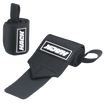
Your belt is not the only thing pressed against sweaty skin. Wrist wraps from the wrist support range and knee sleeves also absorb sweat and should be aired, washed as appropriate and kept personal. Packing smart helps, as our gym bag essentials guide explains.
Inspect and re-condition
Periodically check the lever hardware and stitching, and re-condition when the leather feels dry. A belt maintained this way stays rigid and hygienic for years, protecting your investment across every finish, from the 13mm carbon fibre to the plainest classic leather.
- Lever belts are thick, porous leather in constant contact with sweaty skin, so hygiene and care are essential, not optional.
- The inner surface absorbs the most sweat and is where bacteria and odour develop, so clean it first and most often.
- Avoid harsh methods like alcohol soaking or machine washing; use a leather-safe cleaner, then condition to restore oils.
- A lever's fixed notch makes the belt both more effective for you and impractical to share, reinforcing the case for owning your own.
- Dry fully, store with airflow, and condition every one to two months to keep the belt fresh, rigid and long-lasting.
10. Who Needs Their Own Lever Belt Most?
Any lifter who uses a belt regularly benefits from owning and caring for their own. Here is how different lifters should approach it, with the gear that fits.
11. Related Reading
Keep your belt and your setup in top shape with these guides and gear from Hack Athletics.
12. Frequently Asked Questions
Why does lever belt hygiene matter more than for other gear?
A lever belt is usually made of thick leather that sits tight against your sweaty midsection for your entire session. Leather is porous and soaks up sweat, salt, chalk and skin cells deep into the material, where bacteria accumulate and odour develops. That combination makes hygiene and care more important than for wipe-clean metal or plastic gear.
Can a leather lever belt harbour bacteria?
Yes. Leather is an organic, porous material, and the inner surface that contacts your skin absorbs the most sweat during training. That is exactly where bacteria accumulate and odour develops when cleaning is neglected. Regular cleaning of the inner surface is the single most impactful step for hygiene.
How do I clean a leather lever belt?
Wipe off surface sweat after each session, then periodically deep clean with a leather-safe cleaner or saddle soap using gentle circular motions, focusing on the inner surface. Wipe away all residue with a damp cloth, let it air dry fully away from direct heat, then apply a leather conditioner to restore oils and prevent cracking.
Can I use rubbing alcohol or a washing machine on my belt?
Avoid both. Rubbing alcohol kills bacteria but is very drying to leather and weakens stitching over time, and machine washing or full submersion causes uneven soaking and warping. Use a mild, pH-balanced leather cleaner and a damp cloth instead, then condition to keep the leather supple.
Why should a lever belt be personal and not shared?
A lever belt is set to a single fixed notch that matches your waist and bracing, so it is dialled in for one body. It also sits against skin and absorbs sweat, so sharing it passes sweat and bacteria between users. Owning your own means it fits perfectly and you control how it is cleaned, dried and stored.
How often should I condition my leather belt?
Roughly every one to two months, or whenever the leather starts to feel dry, apply a thin layer of leather conditioner. Conditioning restores the natural oils lost to sweat and cleaning, keeps the belt supple, and helps seal the surface so it resists future sweat absorption.
Does a lever belt smell if I do not clean it?
Yes. Sweat salts, trapped chalk and bacteria build up inside neglected leather and produce a locker-room odour. Beyond the smell, that buildup breaks down the leather fibres from the inside, so a belt that smells bad is often also losing the structural integrity that makes it effective.
Is a 13mm lever belt harder to keep hygienic than a 10mm?
The thickness mainly affects stiffness and support, not hygiene, but a thicker, stiffer belt has more leather to absorb sweat and takes longer to dry. Both need the same care routine. The more important factor is that the belt is yours alone and that you clean and dry it consistently.