
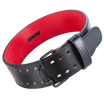






- A weightlifting belt sits against sweaty skin and absorbs sweat, oils and skin cells that bacteria and fungi feed on.
- Shared gym equipment is a documented route for skin infections, including staph, MRSA and ringworm.
- Belts are worse than most shared gear because they are porous, held against the body under heat and pressure, and rarely cleaned.
- Beyond hygiene, a shared belt almost never fits your waist or bracing preference, costing you support and time.
- Owning your own belt means you control its fit, cleaning, drying and storage.
- A personal belt broken in to your body gives more consistent, confident lifts.
- The Hidden Problem With Grabbing a Shared Belt
- Why Gym Belts Are a Perfect Home for Germs
- What Can Live on a Shared Weightlifting Belt
- Skin Infections You Can Pick Up From Shared Gear
- Why a Belt Is Worse Than Most Shared Equipment
- Beyond Hygiene: Fit and Performance Reasons Not to Share
- The Case for Owning Your Own Belt
- Shared Belt vs Personal Belt
- How to Keep Your Own Belt Clean
- Who Should Prioritise Their Own Belt?
- Related Reading
- Frequently Asked Questions
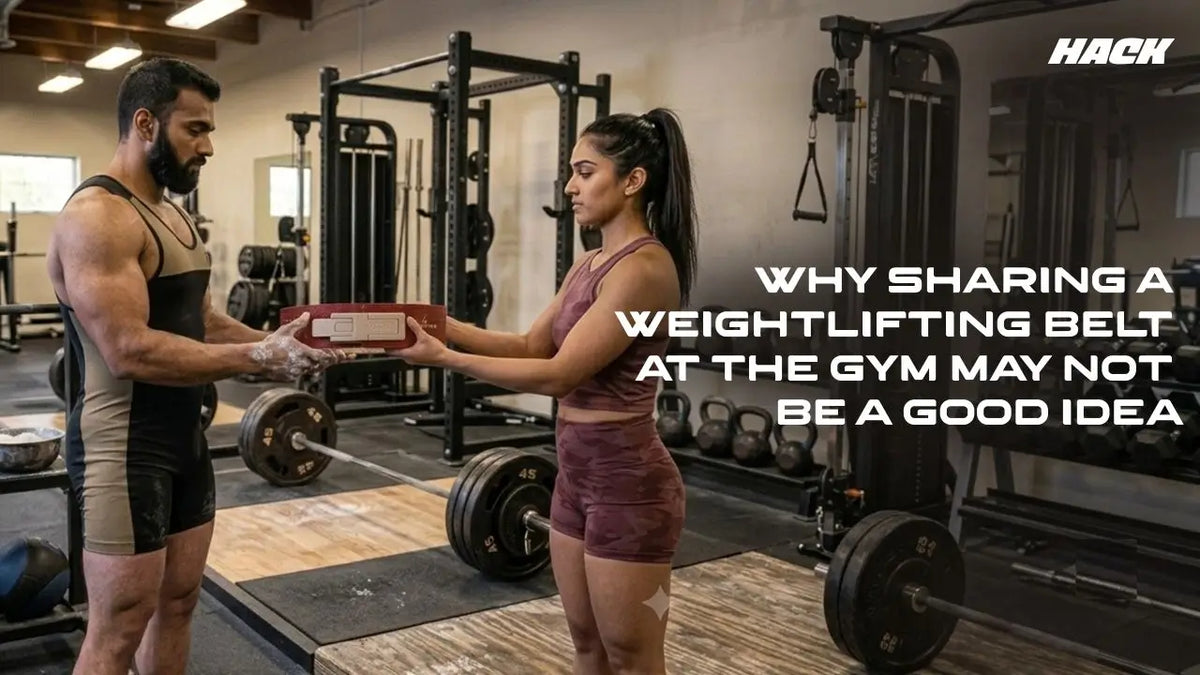
Reaching for the communal belt hanging by the squat rack feels harmless. It is right there, it is free, and everyone else uses it. But that shared belt has been wrapped around dozens of sweaty torsos, and it is almost certainly never cleaned between users. When you consider what a belt actually does, pressing tight against your midsection while you sweat, the case for not sharing one becomes surprisingly strong.
This article looks at the real reasons sharing a weightlifting belt is a bad idea, from the microbes that thrive on sweaty gear to the fit and performance downsides that cost you on the platform. If you decide it is time to own one, Hack Athletics builds belts sized and finished for individual lifters, from lever to prong. You can also read more about us and our approach to quality gear.
1. The Hidden Problem With Grabbing a Shared Belt
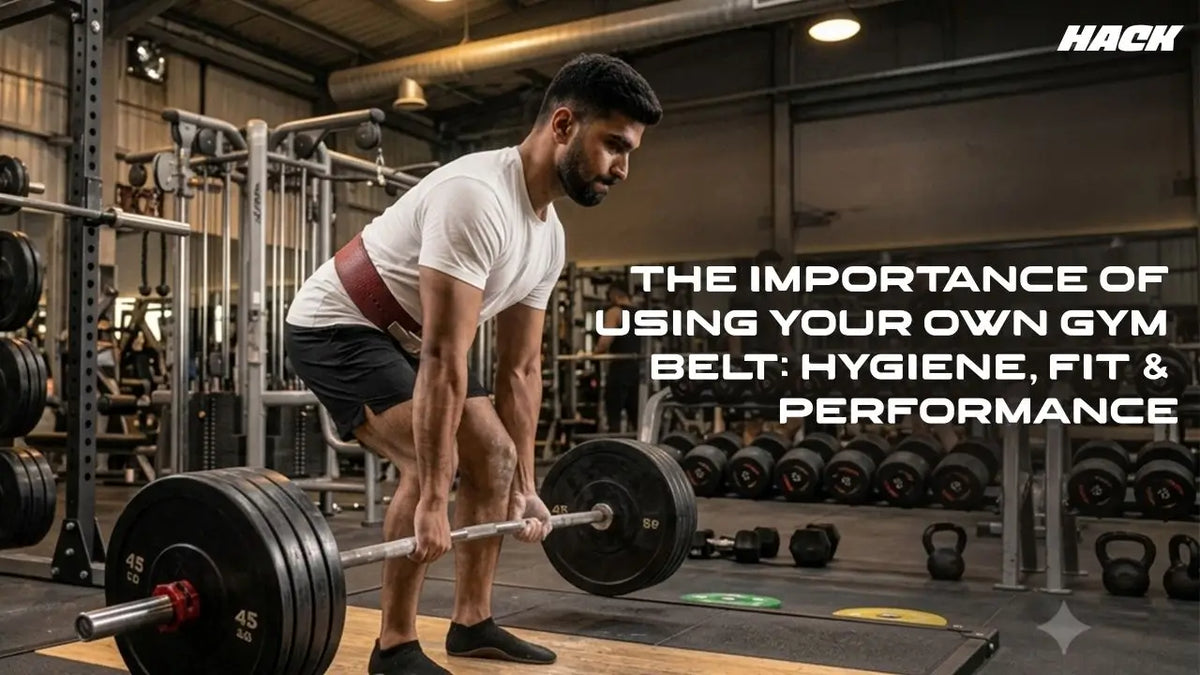
A weightlifting belt is unlike almost any other piece of gym kit. A dumbbell touches your hands. A bench touches your back through clothing. A belt, though, is cinched tightly around your bare or lightly covered midsection, held there under pressure and body heat for the length of your working sets, session after session, lifter after lifter.
That prolonged, warm, sweaty contact is exactly the condition that lets germs transfer between people. And here is the crux of the issue: while gym equipment is supposed to be sanitised regularly, in reality most shared belts are wiped rarely, if ever. Germs can persist in an infectable state on hard and soft surfaces for hours to weeks, and even months (The Conversation). A belt that is never cleaned is a belt that carries whatever the last several users left behind.
The core issue: a belt combines prolonged skin contact, warmth, sweat and porous materials, then almost never gets cleaned. That is a near-perfect setup for spreading germs.
2. Why Gym Belts Are a Perfect Home for Germs
To understand the risk, it helps to know what germs actually feed on. Sweat is not just water. It is a complex mixture of vitamins, mineral salts, lactic acid, amino acids and lipids, which makes it an excellent nutrient source for bacteria and fungi even after it dries (The Conversation).
Now think about a belt's construction. Leather, suede and nylon are porous. They soak up sweat and skin cells and hold that moisture in the material, deep where a quick surface wipe cannot reach. A dried, sweat-soaked belt is essentially a slow-release buffet for microbes. Add the heat of a working torso and you have a warm, damp, nutrient-rich environment, precisely what bacteria and fungi need to survive and multiply.
Why porous matters: hard surfaces can at least be wiped and disinfected. A porous belt traps sweat inside the material, so even a belt that looks clean can still harbour germs below the surface.
3. What Can Live on a Shared Weightlifting Belt
The specific microbes found on gym equipment are well documented, and none of them are guests you want against your skin.
Bacteria
The most common disease-causing bacteria in gym germ studies are those that cause skin infections, especially Staphylococcus aureus, the bacteria behind MRSA (The Conversation). Research has found that skin-infection bacteria sit on roughly 10 to 30 percent of gym surfaces, and one widely cited investigation found free weights can carry hundreds of times more bacteria than a public toilet seat (Vital Oxide).
Fungi
Fungi that cause tinea infections, such as ringworm and athlete's foot, thrive in the warm, moist conditions a sweaty belt provides. These dermatophytes spread readily through shared surfaces and equipment.
How long they last
This is the part that surprises people. Staph bacteria, including MRSA, can survive for days on surfaces like exercise equipment and benches (Clinical Microbiology Reviews via Medchurn). So the germs left by a morning lifter can still be waiting on that belt when you grab it in the evening.
4. Skin Infections You Can Pick Up From Shared Gear
These are not hypothetical worries. Dermatologists and sports-medicine researchers regularly link shared, sweaty gear to specific, real infections.
Staph and MRSA
Staphylococcus aureus can cause boils, abscesses and cellulitis, and it thrives on sweaty skin and equipment. MRSA, the antibiotic-resistant strain, spreads easily through shared equipment and skin-to-skin contact and can lead to serious infections. In sports settings, transmission occurs primarily via skin-to-skin contact, contaminated equipment or shared training surfaces (Premier Science). Staph typically enters through a cut, graze or abrasion, and a belt cinched over your skin during heavy lifts is exactly where small abrasions happen.
Ringworm and other fungal infections
Tinea corporis, or ringworm, causes a red, circular, itchy rash and spreads easily via contaminated surfaces. Athlete's foot and related fungal infections are significantly more prevalent among regular gym users than non-users (Clinical Microbiology Reviews via Medchurn).
Folliculitis and impetigo
The majority of infections people pick up at the gym affect the skin, and warm, sweaty gear can also drive folliculitis, an infection of the hair follicles, and impetigo, a contagious bacterial rash (ScienceDirect, Infections at the Gym).
Note: this is general hygiene information, not medical advice. If you develop a rash, boil or persistent skin irritation, see a healthcare professional. The simplest prevention is not sharing gear that touches your skin.
Skip the Communal Belt
A belt that is only ever yours is the simplest hygiene upgrade a lifter can make. Explore lever and prong belts sized and finished for your body.
Shop Weightlifting Belts5. Why a Belt Is Worse Than Most Shared Equipment
You might reasonably ask why a belt deserves more concern than the barbell or bench everyone also shares. Three things set it apart.
Prolonged, direct skin contact
A barbell touches your palms for a set. A belt wraps your torso, often against bare or lightly covered skin, and stays clamped there under pressure and heat for your entire working sets. More contact, more time, more transfer.
Porous, hard-to-clean materials
Metal and plastic can be wiped and disinfected in seconds. Leather and nylon absorb sweat and are genuinely difficult to sanitise. Even a conscientious gym cannot easily disinfect the inside of a well-used belt.
It is almost never wiped
People at least occasionally wipe a bench. Almost nobody wipes the shared belt, and even when they do, disinfectants need to stay wet for around 30 seconds to kill tougher bacteria like MRSA, far longer than a quick swipe (Vital Oxide). The result is a piece of equipment that accumulates germs rather than shedding them.
6. Beyond Hygiene: Fit and Performance Reasons Not to Share
Even if hygiene were not an issue, a shared belt is a compromise for your lifting. A belt is a precision tool, and it only performs when it fits you.
The wrong size costs you support
A belt supports your brace by giving your abdominal muscles something to push against. If it is set for someone with a different waist, it will be too loose to brace against or too tight to breathe into. Learning to size a weightlifting belt correctly is one of the most overlooked steps in getting real support, and you can only do that with a belt that is yours.
Wasted time and inconsistent bracing
Every time you borrow a belt you fiddle with the buckle or lever to find a usable setting, breaking your focus between sets. Your own belt, set to your marks, lets you brace the same way every rep. Our guide on how to use a weightlifting belt and the belt placement guide both show how consistency drives better bracing.
A belt breaks in to one body
Quality belts, especially leather, mould and soften to the wearer over time. A shared belt is broken in by many bodies and truly fits none. Choosing between a stiffer or more flexible feel, like our comparison of 13mm vs 10mm lever belts, only pays off when the belt is yours to break in.
7. The Case for Owning Your Own Belt
Owning a belt solves the hygiene and performance problems in one move. It is a small, one-time purchase that lasts years.
With your own belt you control everything that matters: it touches only your skin, you clean and dry it on your schedule, you store it your way, and it fits your waist and bracing style. Hack Athletics offers a full range so you can match the belt to your training. The 10mm lever belt offers a firm quick-release fit, the 13mm lever belt gives maximum rigidity for advanced lifters, and the 7mm leather prong belt is a versatile all-rounder.
Prefer tool-free adjustment or a specific look? The quick locking belt in white and black adjust on the fly, while the 10mm signature red and carbon fibre finishes let you make it unmistakably yours. Browse the full weightlifting and lever belts range and the dedicated quick locking belt collection.
8. Shared Belt vs Personal Belt
Here is how the two stack up across the things that actually matter to a lifter.
| Factor | Shared Gym Belt | Your Own Belt |
|---|---|---|
| Hygiene | Sweat and germs from many users | Only ever touches your skin |
| Cleaning | Rarely, if ever, wiped | Cleaned and dried on your schedule |
| Fit | Sized for someone else | Matched to your waist |
| Bracing consistency | Re-adjust every time | Same settings every set |
| Break-in | Broken in by many bodies | Moulds to you over time |
| Availability | May be in use or missing | Always in your bag |
| Long-term cost | Free but shared and worn | One-time buy, lasts years |
9. How to Keep Your Own Belt Clean
Owning a belt only helps if you look after it. The good news is that a belt used by one person is easy to keep clean with a few habits.
Wipe and dry after every session
Give the belt a wipe down after training, then, and this is the important part, let it air dry fully before storing. Sealing a damp belt in a bag is how odour and bacteria build up. Dry first, store second.
Store it with airflow
Keep your belt in a ventilated part of your bag rather than crushed at the bottom while wet. A structured bag with compartments helps. A 30L duffle gym bag or a work-and-gym backpack from the bags collection keeps gear separated and aired.
Condition leather occasionally
Leather belts last longer and stay easier to clean with an occasional light conditioning, which also stops cracking. The same care mindset applies to your other personal gear, like your wrist wraps and knee sleeves, which also press against skin and should never be shared.
- A weightlifting belt combines sweat, heat, prolonged skin contact and porous materials, making it a strong candidate for spreading germs.
- Shared gym gear is a documented route for staph, MRSA, ringworm and other skin infections.
- Belts are worse than most shared equipment because they are hard to clean and almost never wiped between users.
- A shared belt also fails you on fit, bracing consistency and break-in, quietly costing you performance.
- Owning your own belt, cleaned and dried properly, solves the hygiene and performance problems at once.
10. Who Should Prioritise Their Own Belt?
Anyone who uses a belt regularly benefits from owning one, but for some lifters it is close to essential. Here is how different groups should think about it, plus the gear that helps.
11. Related Reading
Keep dialling in your setup and hygiene with these guides and gear from Hack Athletics.
12. Frequently Asked Questions
Is it bad to share a weightlifting belt at the gym?
Sharing a belt is not ideal. A belt sits against sweaty skin and absorbs sweat, skin cells and oils, which bacteria and fungi feed on. Shared gym equipment is a known route for skin infections like staph and ringworm, so a belt used by many people is a genuine hygiene risk. A shared belt also rarely fits or is set up for you correctly.
Can you catch an infection from a shared gym belt?
Yes, it is possible. Bacteria such as Staphylococcus aureus, including MRSA, and fungi that cause ringworm can survive on gym surfaces for hours to days and spread through contaminated equipment. A sweaty belt pressed against bare or abraded skin is exactly the kind of contact that can transfer these germs.
How often should a shared gym belt be cleaned?
Ideally after every use, which almost never happens in practice. Most shared belts are wiped rarely if at all, and porous materials like leather and nylon are hard to disinfect properly. That gap between how often a belt should be cleaned and how often it actually is cleaned is the core of the problem.
Why is a belt worse than other shared gym equipment?
A belt wraps directly around your torso, often against bare or lightly covered skin, and stays in prolonged contact under pressure and heat. It is also made of porous materials that trap sweat and are difficult to sanitize, and unlike a dumbbell it is almost never wiped down between users.
Does a shared belt affect my lifting performance?
Yes. A belt only works well when it fits your waist and is set to your preferred tightness. A shared belt is usually the wrong size or set for someone else, so you waste time adjusting it and get less consistent bracing. Your own belt, broken in to your body, gives more reliable support.
Is a lever belt more hygienic than a shared prong belt?
Any belt that is yours alone is more hygienic than one shared by strangers. The bigger issue is ownership, not the buckle type. That said, owning your own lever or prong belt means you control how it is stored, cleaned and dried, which is what actually keeps it hygienic.
What should I do if my gym only has shared belts?
Bring your own belt. If you must use a shared one, wipe it thoroughly with a disinfectant, let it dry, avoid using it on bare skin, and wash your hands and shower after. But the simplest, most reliable fix is owning a personal belt that fits you and stays clean.
How do I keep my own weightlifting belt clean?
Wipe it down after each session, let it air dry fully before storing so moisture does not breed bacteria, keep it in a ventilated part of your gym bag rather than sealed while damp, and give leather an occasional conditioning. A belt that is only ever touched by you is far easier to keep clean.