








- A powerlifting singlet is a one-piece, form-fitting, non-supportive garment worn as the competition uniform in most federations.
- It is not an equipped-lifting suit. The singlet adds no meaningful support, it simply provides a legal, unrestrictive uniform.
- Under current IPF rules it must be one-piece and single-ply, with straps up and legs clear of the knee.
- Most federations require a t-shirt under the singlet for the squat and bench, and IPF meets require an approved-brand singlet.
- Singlets use stretchy polyester or nylon blends for a snug, four-way-stretch, compression-style fit.
- The singlet is the base uniform, worn with a belt, knee sleeves and wrist wraps within each meet's approved limits.
- What Is a Powerlifting Singlet?
- Weightlifting Suit vs Singlet
- Fabric and Construction
- IPF and Federation Rules
- The T-Shirt and Underwear Rules
- How a Singlet Should Fit
- The Rest of Your Competition Kit
- How to Choose and Buy One
- Caring for Your Singlet
- Who Wears a Singlet?
- Related Reading
- Frequently Asked Questions
Step onto a powerlifting platform anywhere in the world and you will be wearing a singlet. It is the sport's universal uniform, and while it looks simple, the rules around it are surprisingly specific: what it is made of, how it fits, what you wear under it, and whether your particular singlet is even legal for your meet. Get it wrong and you can be turned away at equipment check on competition day.
This guide explains the powerlifting singlet and the wider idea of a weightlifting suit: what they are, the fabric and fit that matter, and the IPF and federation rules you need to know. It also covers the rest of the supportive kit you wear with a singlet, from belts to sleeves to wraps. Hack Athletics builds that competition-standard support gear, which you can explore in the weight lifting belts range, and you can read more about us first.
1. What Is a Powerlifting Singlet?
A powerlifting singlet is a one-piece, form-fitting garment worn over the shoulders that covers the torso and the upper thighs. It is the required competition uniform in most powerlifting federations, giving judges a clear, unobstructed view of the lifter's body so they can assess depth, lockout and form.
Crucially, a competition singlet is non-supportive. A raw singlet should not add meaningful lifting support, which is what separates it from the specialist equipped-lifting suits used in equipped divisions (Fitness Volt). Its job is to be a legal, unrestrictive uniform, not to help you lift more.
Quick definition: a powerlifting singlet is a one-piece, non-supportive competition uniform. It provides a legal, unobstructive garment for judging, not lifting support.
2. Weightlifting Suit vs Singlet
The terms weightlifting suit and powerlifting singlet are often used loosely, so it helps to separate them.
The competition singlet
The singlet most lifters mean is the one-piece, non-supportive uniform described above, worn in raw powerlifting and by the vast majority of competitors. It is light, stretchy and adds no rebound to the lift.
The equipped-lifting suit
An equipped-lifting suit is a different garment entirely: a heavily reinforced, tightly constructed suit used only in equipped divisions to add significant support to the squat, bench or deadlift. These are specialist tools for a specific branch of the sport, not everyday competition wear. For raw lifting and most meets, the singlet is what you need (Virus).
Key distinction: a singlet is a non-supportive uniform for raw lifting. An equipped suit is a supportive garment for equipped divisions. Most lifters only ever need the singlet.
3. Fabric and Construction
A singlet has to be snug, stretchy and durable without adding support, which shapes the fabric it is made from.
The materials
Competition singlets are made from stretchy athletic fabrics, typically a polyester or nylon blend with spandex, giving a snug, compression-style fit with four-way stretch. The fabric moves with you through the squat and deadlift while staying close to the body so it does not get in the way of the judges' view.
Single-ply and non-supportive
The defining construction rule is that the fabric is single-ply and non-supportive. It must not be rubberized, doubled up or reinforced in a way that would add rebound to the lift. This keeps raw competition fair, since everyone is lifting with only their own strength and standard supportive gear.
4. IPF and Federation Rules
The singlet is one of the most tightly specified pieces of competition kit, so knowing the rules before you buy is essential.
The core IPF requirements
Under current IPF technical rules, the singlet must be a one-piece, non-supportive garment made of a single-ply stretchy material, with the straps worn up over the shoulders and the legs cut so they do not cover the knee. The full requirements are set out in the official rulebook, which is the definitive source (IPF Technical Rules Book).
Approved brands
For IPF-sanctioned competition, the singlet must be on the federation's approved equipment list, and the same applies to your belt, sleeves and wraps. Using non-approved gear can mean failing equipment check. Rules and approved lists change, so always verify the current requirements for your meet before buying (Katamu).
Important: federation rules and approved-equipment lists are updated periodically. This article is a general guide. Always check the current rulebook and approved list for the specific federation and meet you are entering.
5. The T-Shirt and Underwear Rules
What you wear under the singlet is also governed by the rules, and it catches out many first-time competitors.
The t-shirt
In IPF competition a t-shirt is required under the singlet for the squat and the bench press, and is optional for the deadlift. The shirt itself must meet the federation's specifications on fabric and seams. Other federations have their own versions of this rule, so check before meet day.
Underwear and socks
Federations also specify the underwear worn under the singlet and require long socks for the deadlift to protect the shins. These details are small but enforced at equipment check, so read the rulebook rather than assuming. A guide like our gym bag essentials checklist helps you pack everything for meet day.
6. How a Singlet Should Fit
A good singlet fit is about staying legal and staying comfortable through all three lifts.
Snug but not restrictive
The singlet should feel snug without pulling your shoulders forward or cramping your setup. Both straps should stay firmly in place on every lift, since a strap slipping off is both distracting and against the rules. The torso should be close-fitting but let you brace and breathe.
Legs and opacity
The legs should be short enough to stay clear of your knees and knee sleeves without riding up badly during the lift. Test the singlet under bright light in the squat, hinge and bench positions to be sure it stays opaque at full range. A quick check at home beats a surprise on the platform (Powerlifting Technique).
Kit Out for the Platform
Your singlet is the uniform. The belt, sleeves and wraps are what support your lifts. Explore competition-standard support gear.
Shop Lifting Gear7. The Rest of Your Competition Kit
The singlet is just the base layer. The gear that actually supports your lifts is worn on top, within each federation's approved limits.
Belt
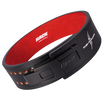
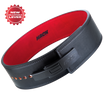
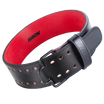
A weightlifting belt supports your heavy squats and deadlifts by letting you brace harder. A 10mm lever belt or a stiffer 13mm lever belt is standard for the platform, with a prong belt as an alternative. Learn to brace with our guides on how to use a weightlifting belt and how to size a weightlifting belt, and browse the belts collection.
Knee sleeves and wrist wraps
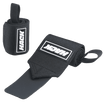
Knee sleeves add warmth and support for squats, while stiff wrist wraps brace the wrist for the bench press. Explore the knee support and wrist support ranges, and see how to put on knee sleeves and how to wear wrist wraps correctly. Remember each piece has its own approved-equipment rules for sanctioned meets.
8. How to Choose and Buy One
With the rules understood, choosing a singlet comes down to a few practical decisions.
Match it to your federation
If you compete in a sanctioned federation, buy from its approved list so your singlet passes equipment check. If you lift in local or unsanctioned meets, the rules are often more relaxed, but a compliant singlet future-proofs you for bigger competitions. Confirm the current list before you buy.
Size for all three lifts
Choose a size that is snug and legal across the squat, bench and deadlift, not just the one that looks best standing still. A singlet you can brace, hinge and press in comfortably is the right one. When in doubt, follow the brand's size chart against your body measurements.
9. Caring for Your Singlet
A singlet is a long-term piece of kit, and simple care keeps it competition-ready.
Wash gently
Like other stretch activewear, wash your singlet cold and inside-out, avoid fabric softener and bleach which degrade the stretch fibres, and air dry rather than using high heat. This protects both the fabric and any federation or brand markings that need to stay legible at equipment check.
Store it flat
Keep the singlet folded or flat rather than crushed damp in a bag, and air it out after training or competing. Packed properly in a gym backpack alongside the rest of your kit, it stays ready for your next meet.
- A powerlifting singlet is a one-piece, non-supportive competition uniform, not an equipped-lifting support suit.
- Under current IPF rules it must be one-piece and single-ply, with straps up and legs clear of the knee.
- Most federations require a t-shirt under the singlet for squat and bench, and IPF meets need an approved-brand singlet.
- Fit it snug and legal across all three lifts, and test opacity under bright light before competing.
- The singlet is the base uniform, worn with a belt, knee sleeves and wrist wraps within each meet's approved limits.
10. Who Wears a Singlet?
The singlet is competition kit, but the gear worn with it suits every serious lifter. Here is how to kit out, with the gear that fits.
11. Related Reading
Keep dialling in your competition kit with these guides and gear from Hack Athletics.
12. Frequently Asked Questions
What is a powerlifting singlet?
A powerlifting singlet is a one-piece, form-fitting garment worn over the shoulders and covering the torso and upper thighs. It is the required competition uniform in most federations and is made from a non-supportive stretchy fabric, so it does not add lifting support the way specialist equipped-lifting suits do.
Is a weightlifting suit the same as a singlet?
In everyday use the terms overlap. A competition powerlifting singlet is a one-piece non-supportive uniform. An equipped-lifting suit is a different, heavily reinforced garment used in equipped divisions to add support. For raw lifting and most meets, the singlet is what you wear.
What are the IPF rules for a singlet?
Under current IPF technical rules, the singlet must be a one-piece, non-supportive garment made of a single-ply stretchy material, with straps worn up over the shoulders and legs that do not cover the knee. Sanctioned IPF meets also require an approved-brand singlet, so always check the current approved equipment list before competing.
Do I need a t-shirt under my singlet?
In IPF competition a t-shirt is required under the singlet for the squat and bench press, and is optional for the deadlift. The shirt must meet the federation's own specifications. Rules vary between federations, so check the rulebook for the meet you are entering.
What fabric are singlets made from?
Competition singlets are made from stretchy athletic fabrics, typically a polyester or nylon blend with spandex, that give a snug, compression-style fit and four-way stretch. The key requirement is that the fabric is non-supportive, meaning it does not add meaningful rebound or support to the lift.
How should a powerlifting singlet fit?
A singlet should be snug without pulling your shoulders forward or cramping your setup. The straps should stay firmly in place on every lift, and the legs should be short enough to stay clear of your knees and knee sleeves without riding up badly. Test it under bright light for opacity in the squat, hinge and bench positions.
Can I wear knee sleeves and a belt with a singlet?
Yes. A belt, knee sleeves and wrist wraps are standard supportive gear worn with a singlet in competition, each with its own federation specifications. The singlet is the base uniform, and the belt, sleeves and wraps are added on top within the approved limits for your meet.
Do I need an IPF approved brand singlet?
For IPF-sanctioned meets, yes, the singlet must be on the federation's approved equipment list, and the same applies to your belt, sleeves and wraps. For local or unsanctioned meets the rules are often more relaxed. Always check the specific requirements for the competition you are entering before buying.
